Overview of Cao Bang
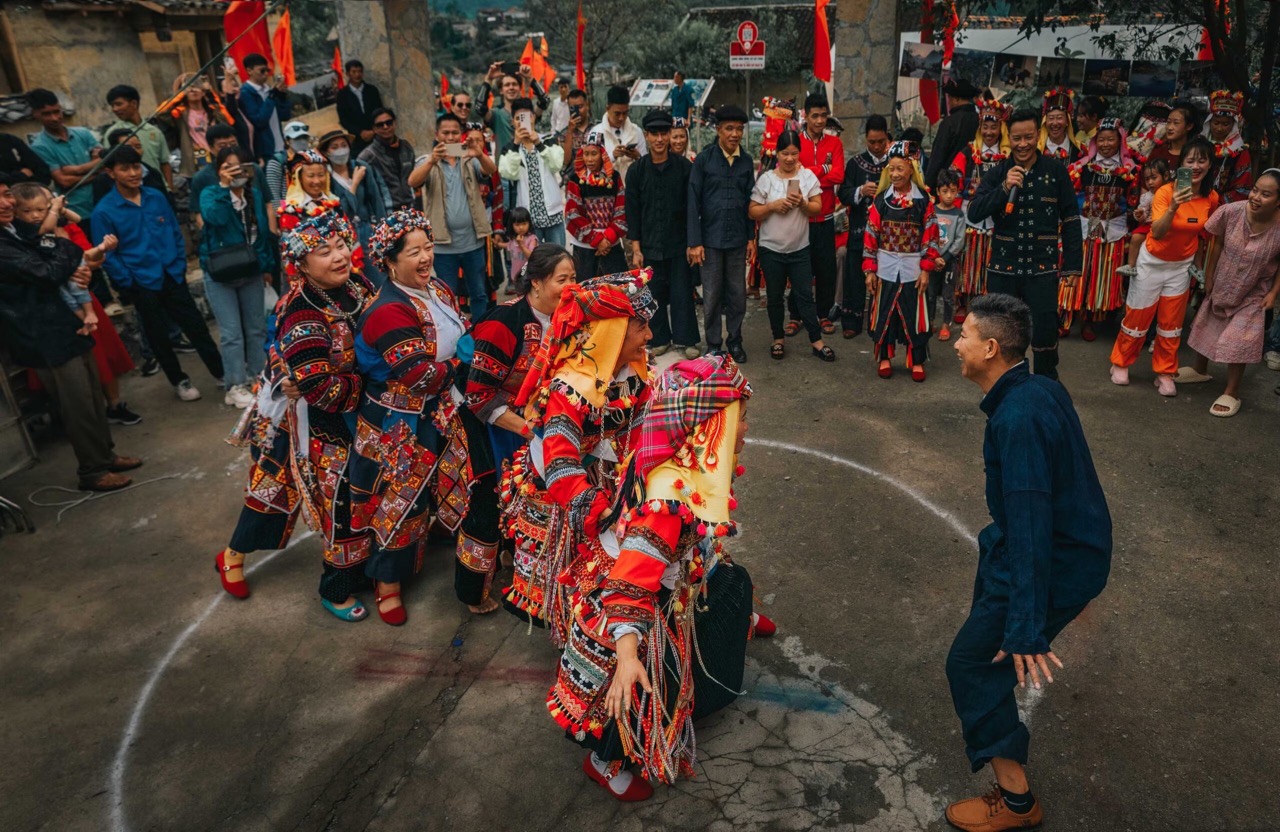
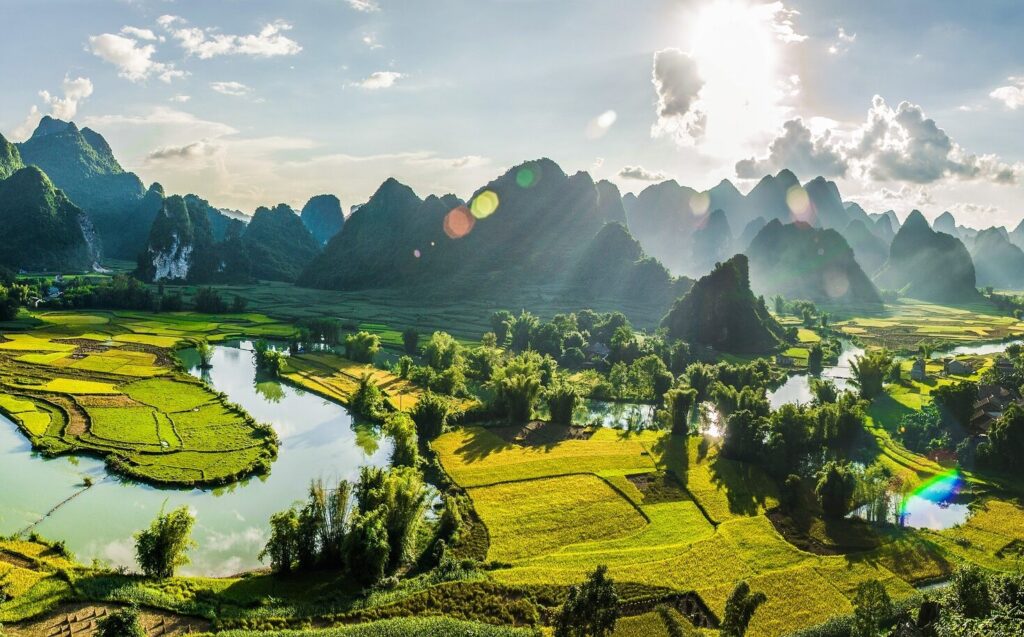
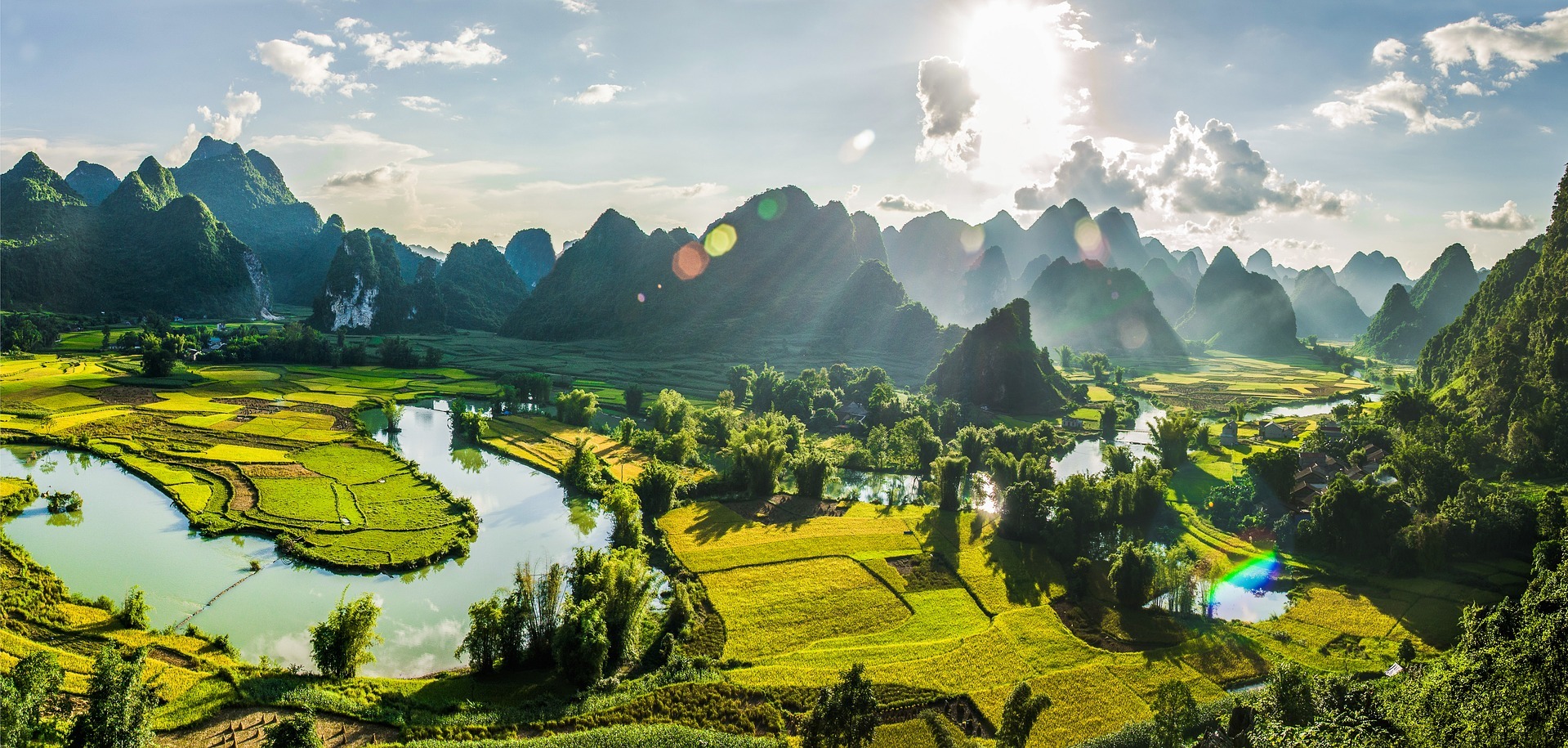 Cao Bang Province is located in Vietnam’s northeast, bordering China, and is known for its dramatic karst landscapes, winding rivers, and lush forests. The province enjoys a temperate climate, with four distinct seasons, though the most pleasant times to visit are spring (March to May) and autumn (September to November) when temperatures are cool and skies are clear. As a land of diversity, Cao Bang is home to more than nine ethnic minority groups, including the Tay, Nung, Hmong, and Dao, each preserving unique customs, crafts, and languages. Nature and culture go hand in hand here, with travelers able to visit both ancient cave systems and centuries-old stilt houses in the same day.
Top Attractions of the Cao Bang Loop
Ma Phuc Pass
Ma Phuc Pass is one of the most iconic and scenic mountain passes in Cao Bang, winding through limestone karsts and offering panoramic views of green valleys below. Located on National Highway 3, the pass is often the first major highlight for travelers beginning the loop. The road here snakes dramatically between towering cliffs, making it a favorite stop for photography and short breaks. In local culture, the name “Ma Phuc”, which translates to “Kneeling Horse”, comes from a legend of horses kneeling in respect to the sheer beauty of the area.Ban Gioc Waterfall
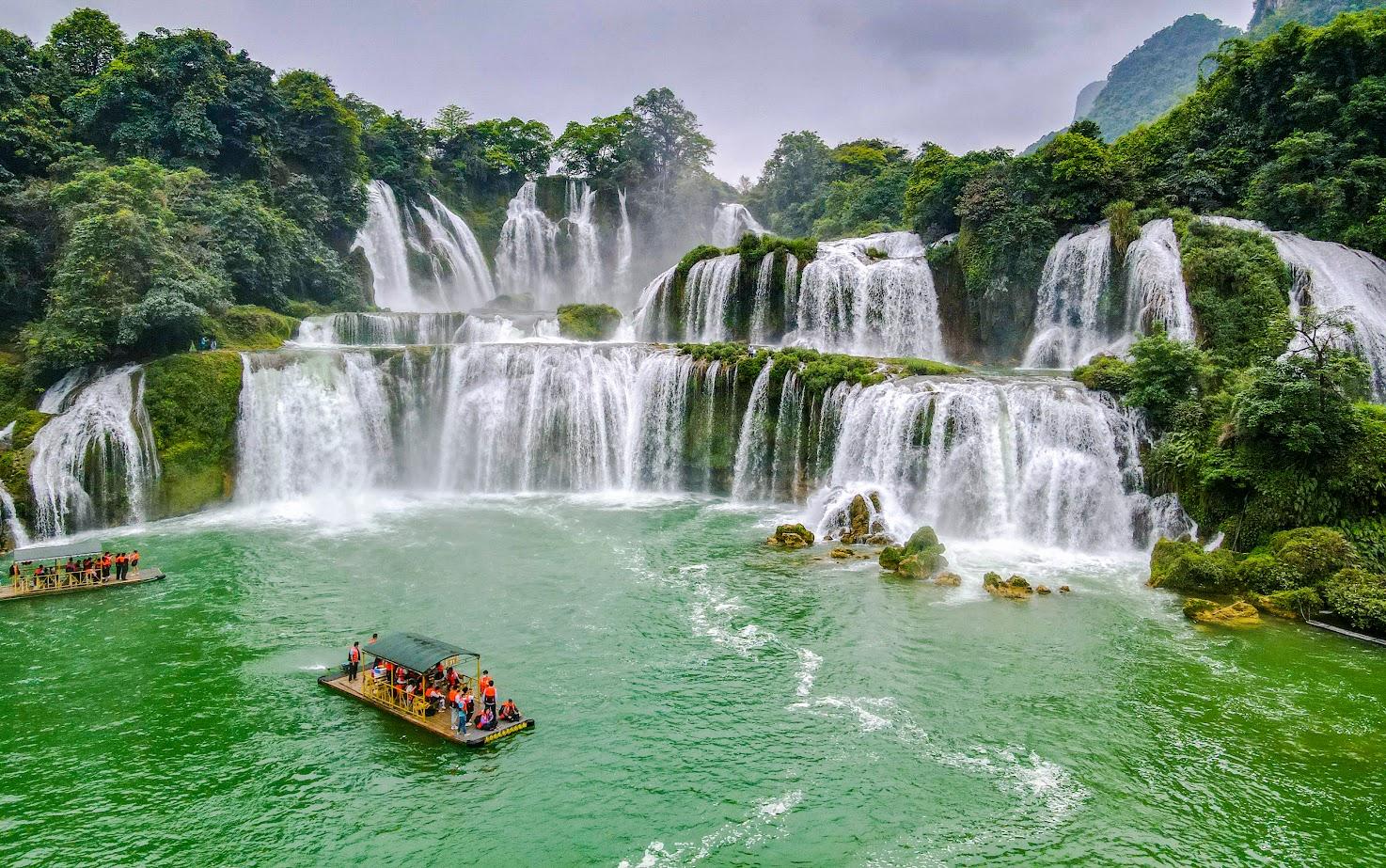 Ban Gioc Waterfall is perhaps the most famous natural attraction in Cao Bang, known for being one of the largest and most beautiful waterfalls in Southeast Asia. It lies directly on the border with China and spans over 300 meters wide with water cascading down multiple tiers. The site is easily accessible and often combined with a bamboo boat ride that takes you close to the falls. Ban Gioc is not just visually stunning; it also represents the harmony and shared beauty between Vietnam and its northern neighbor.
Book your Ban Gioc Waterfall 1 Day Tour here.
Phat Tich Truc Lam Pagoda
Perched on a hillside overlooking Ban Gioc Waterfall, the Phat Tich Truc Lam Pagoda offers both spiritual serenity and breathtaking views. Built in traditional Vietnamese architectural style, the pagoda is a peaceful retreat for reflection and meditation. Visitors climb a series of steps to reach the top, where they are greeted by panoramic views of the falls and surrounding countryside. It’s a cultural site that blends religious devotion with natural appreciation.Nguom Ngao Cave
Nguom Ngao Cave is a natural wonder carved into the limestone mountains near Ban Gioc Waterfall. Stretching over 2 kilometers, the cave system features an impressive array of stalactites and stalagmites, illuminated in various colors. Walking through its chambers feels like entering a different world, cool and echoing with underground secrets. The cave is also deeply embedded in local legends and serves as an important natural monument.Angel-Eyed Mountain
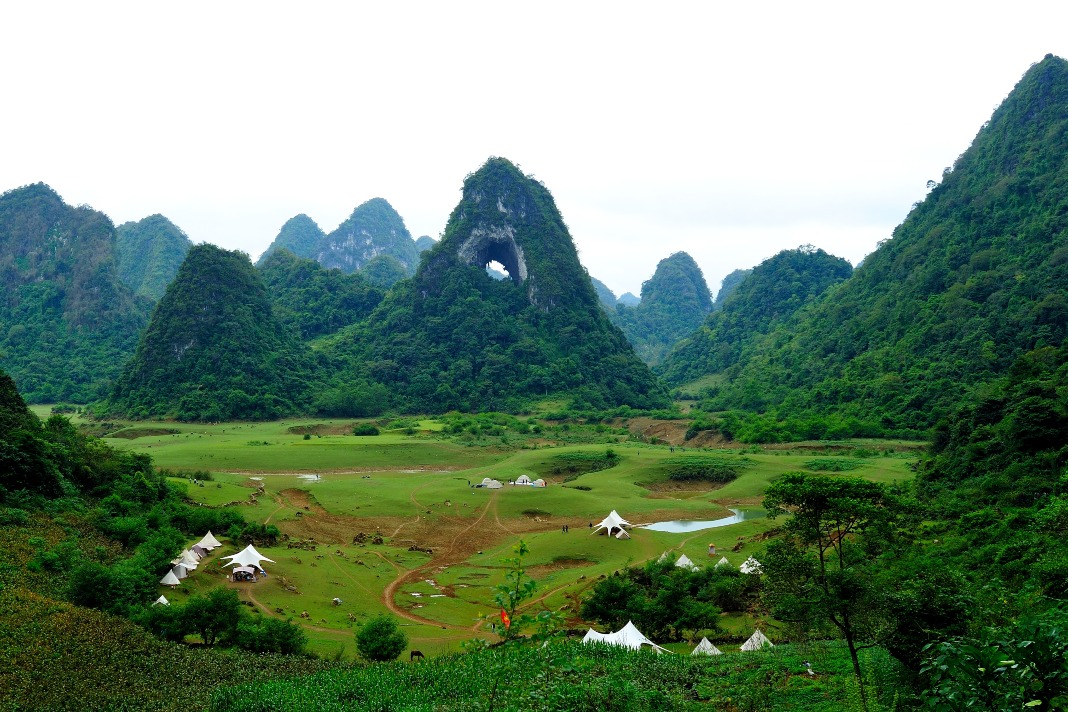 Also known as Mat Than Mountain, Angel-Eyed Mountain gets its name from the perfectly round hole at its center, resembling an eye staring into the sky. This striking limestone formation sits amidst lush rice fields, creating a surreal and photogenic contrast of rock and greenery. It’s a quick stop along the loop, but one that leaves a lasting visual impression. Locals often associate the mountain with good fortune and harmony with nature.
Thang Hen Lake
Thang Hen Lake is a tranquil body of water nestled among forested hills, changing color with the seasons from emerald green to sapphire blue. Located about 30 kilometers from Cao Bang City, the lake is surrounded by small villages and limestone peaks, making it a serene spot for picnics or boat rides. The area is especially beautiful in the early morning, when mist hovers over the water and the reflections create a dreamlike scene. It’s a peaceful detour that contrasts beautifully with the ruggedness of the mountain passes.Khuoi Ky Stone Village
Khuoi Ky is a traditional Tay village famous for its unique stone houses, built entirely of locally sourced rock. The village sits peacefully beside a stream and surrounded by karst mountains, preserving an atmosphere of timeless simplicity. Locals continue to live in harmony with nature, farming and maintaining age-old crafts. Staying overnight in a homestay here gives visitors a rare chance to experience Tay culture firsthand.Travel Tips to the Cao Bang Loop