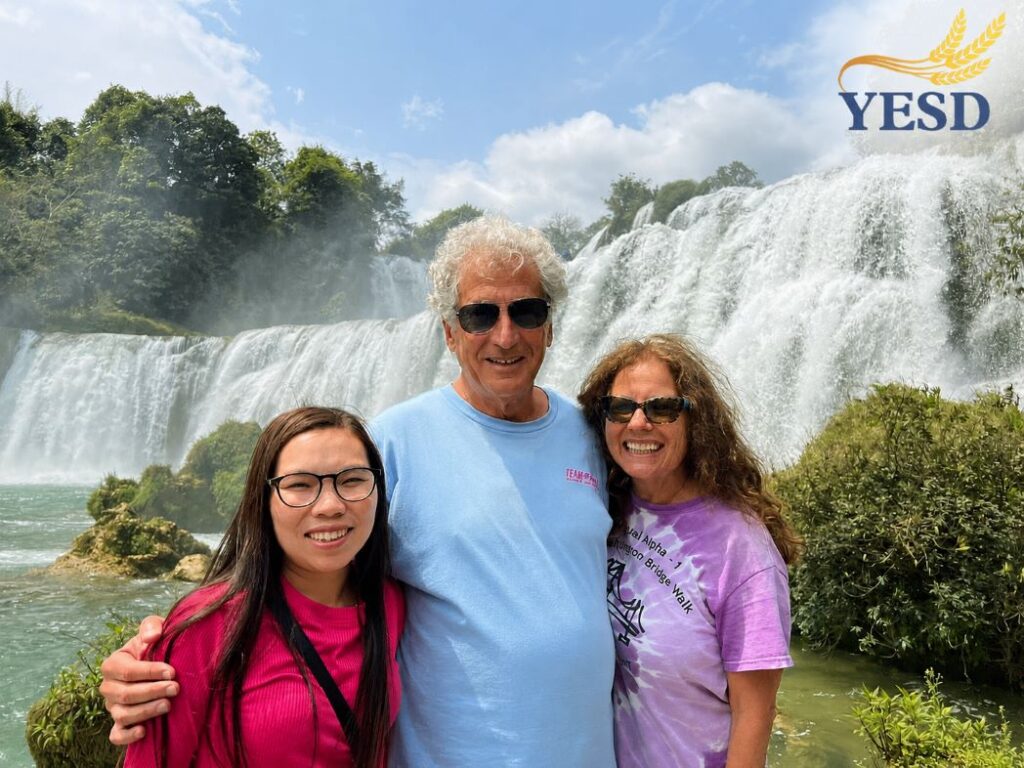
Join our CAO BANG TOUR for an unforgettable experience!
1. Overview of Ban Gioc Waterfall
Ban Gioc Waterfall is situated in the Trung Khanh District of Cao Bang Province, about 360 kilometers from Hanoi, the capital of Vietnam. The waterfall straddles the border between Vietnam and China, with the Quay Son River serving as the natural boundary. The Vietnamese side of the waterfall offers panoramic views and access to the lower tiers, while the Chinese side provides a different perspective of the upper cascades. The border area adds a unique cultural dimension to the natural beauty of Ban Gioc, making it a significant landmark for both countries.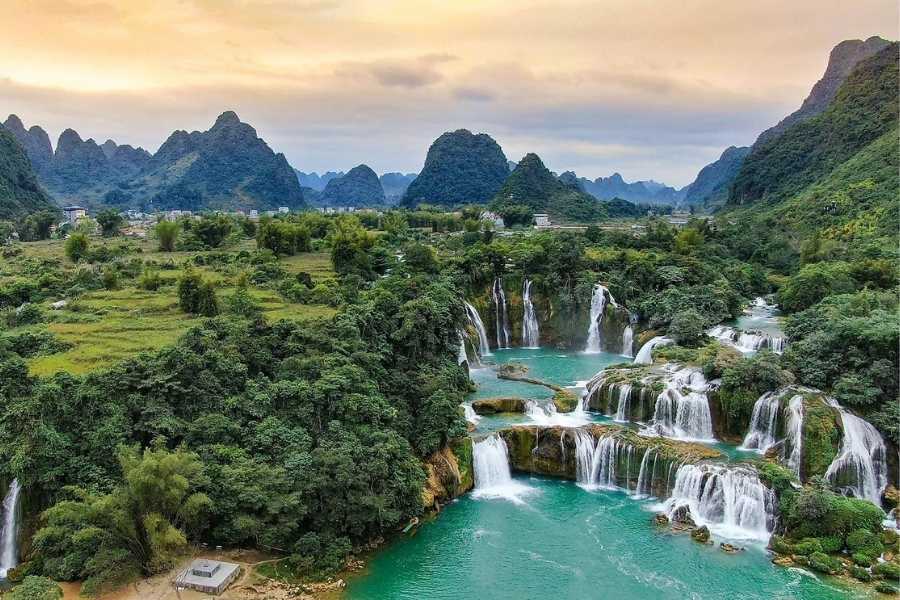
The Natural Beauty
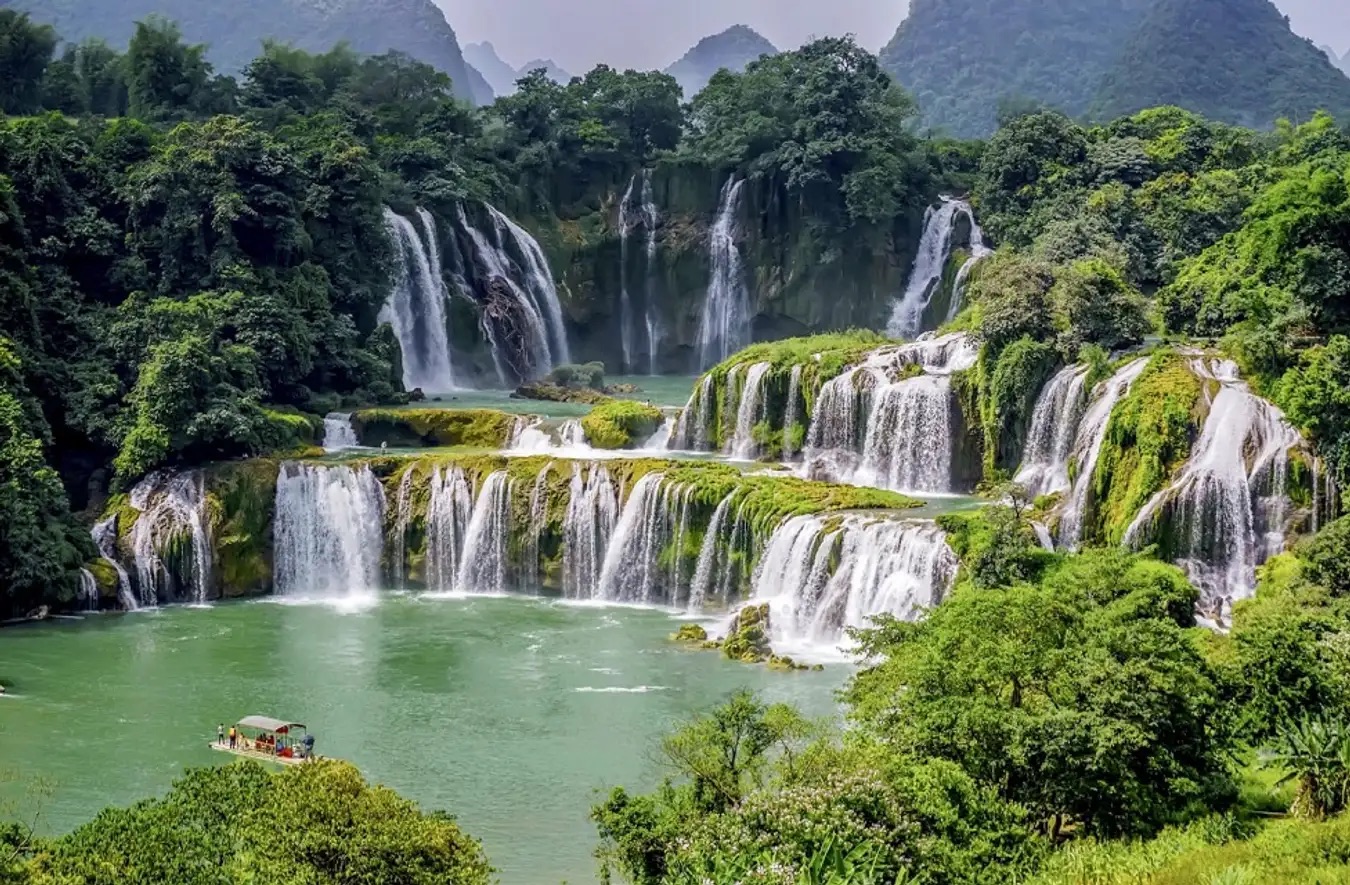
Ban Gioc Waterfall is renowned for its spectacular scenery, where the power of water meets the tranquility of lush green surroundings. The waterfall is approximately 30 meters high and spans over 300 meters wide, with multiple cascades creating a stunning curtain of water that crashes into the jade-green pool below. The surrounding karst mountains, covered in dense vegetation, enhance the dramatic landscape, making it a paradise for photographers and nature enthusiasts.The area around Ban Gioc is also rich in biodiversity, home to a variety of plant and animal species. The combination of water, rock formations, and forested hills creates a unique ecosystem that supports life and offers a serene environment for visitors. During the rainy season, the waterfall is at its most powerful, with torrents of water creating a thunderous roar that echoes through the valley.The Cultural Significance
Ban Gioc Waterfall is more than just a natural attraction; it holds deep cultural significance for the local communities. The waterfall is revered in local folklore and is often seen as a symbol of the harmonious relationship between humans and nature. For the ethnic minority groups living in the region, including the Tay and Nung people, Ban Gioc is considered a sacred site. They celebrate the waterfall through traditional festivals, rituals, and ceremonies that honor the natural world and their ancestors.The cultural richness of the area is also reflected in the traditional customs and lifestyle of the local inhabitants. Visitors to Ban Gioc have the opportunity to interact with these communities, learn about their traditions, and experience their hospitality. The cultural significance of Ban Gioc enhances its allure, offering a deeper connection to the land and its people.2. History and Legends Surrounding Ban Gioc Waterfall
3. Best Time to Visit Ban Gioc Waterfall
The best time to visit Ban Gioc Waterfall is during the rainy season, from June to September, when the water flow is at its peak, creating a spectacular display of cascading water. The surrounding landscape is lush and green, adding to the beauty of the waterfall. However, this period also sees more rain, so visitors should be prepared for occasional downpours.For those who prefer a quieter experience, the dry season, from October to May, offers a different perspective. The water flow is less intense, revealing more of the rock formations and allowing for closer exploration of the area. The dry season also provides clearer skies, making it an excellent time for photography and sightseeing.4. How to Get to Ban Gioc Waterfall From Hanoi?
Reaching Ban Gioc Waterfall from Hanoi typically involves a journey of approximately 6-7 hours by car or bus. The most convenient option is to book a guided tour, which includes transportation and a local guide who can provide insights into the area’s history and culture. Alternatively, travelers can take a bus from Hanoi to Cao Bang, and then hire a taxi or motorbike for the final leg to Ban Gioc. Check out our Cao Bang tour here and visit Ban Gioc Waterfall! For the more adventurous, motorbike tours are a popular way to explore the region, offering the freedom to visit nearby attractions and enjoy the scenic landscapes along the way. The roads leading to Ban Gioc are well-paved but winding, so it’s essential to drive carefully, especially during the rainy season.Things to do at Ban Gioc Waterfall
Ban Gioc Waterfall offers a range of activities for visitors to enjoy. Sightseeing and photography are the most popular, with numerous vantage points offering stunning views of the waterfall and surrounding landscape. A boat ride on the Quay Son River is another must-do activity, allowing visitors to get up close to the cascading water and feel the refreshing mist on their faces.Hiking trails around the waterfall provide opportunities for exploration and adventure, with paths leading through the forest to hidden viewpoints and quiet spots for relaxation. For those interested in culture, visiting local villages nearby offers a glimpse into the traditional lifestyle of the ethnic minority communities.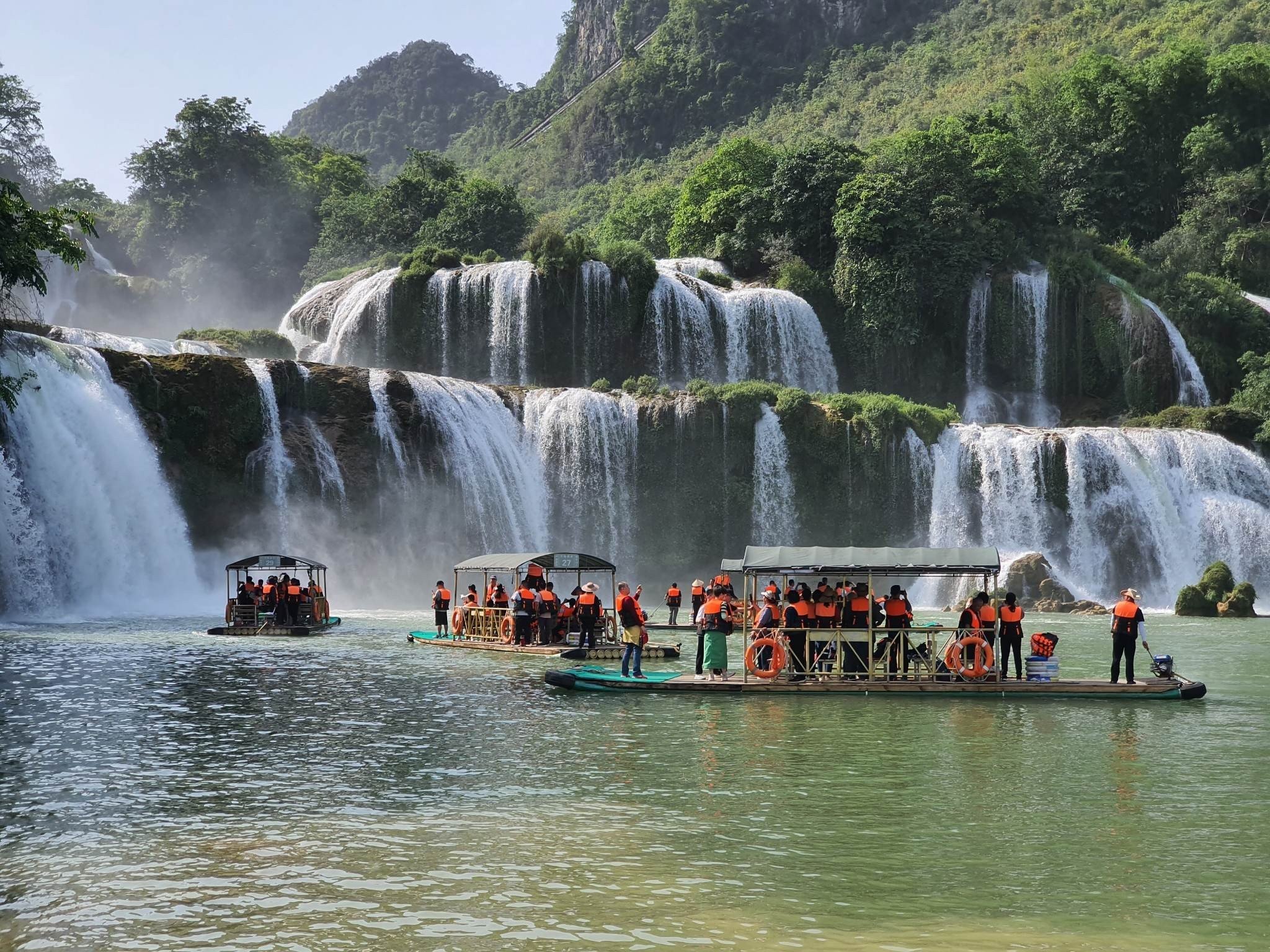
Eco-Tourism and Sustainability
Efforts to promote eco-tourism at Ban Gioc Waterfall are essential to preserving its natural beauty and protecting the environment. Local authorities and conservation groups are working together to implement sustainable tourism practices, including waste management, environmental education, and community involvement.Visitors are encouraged to respect the natural environment by following guidelines such as not littering, staying on designated paths, and supporting local businesses that practice sustainability. By choosing eco-friendly travel options, tourists can contribute to the preservation of Ban Gioc Waterfall for future generations.Attractions Near Ban Gioc Waterfall
Accommodation
Accommodation options near Ban Gioc Waterfall range from hotels to guesthouses and homestays, offering something for every budget. For a more immersive experience, staying in a homestay with a local family is highly recommended. This provides an opportunity to learn about local customs, enjoy home-cooked meals, and experience the warmth of Vietnamese hospitality.There are also several guesthouses and small hotels in the nearby town of Cao Bang, which offer comfortable accommodations with easy access to the waterfall. Booking in advance, especially during peak tourist season, ensures a smooth and enjoyable visit.Nguom Ngao Cave
Just a short distance from Ban Gioc Waterfall is the Nguom Ngao Cave, a spectacular limestone cave that stretches for several kilometers. The cave is filled with impressive stalactites and stalagmites, creating a mystical underground landscape. Guided tours are available, providing insights into the geology and history of the cave.Exploring Nguom Ngao Cave is a perfect complement to a visit to Ban Gioc Waterfall, offering a chance to experience the region’s natural wonders both above and below ground. The cave is also a place of cultural significance, with local legends adding to its allure.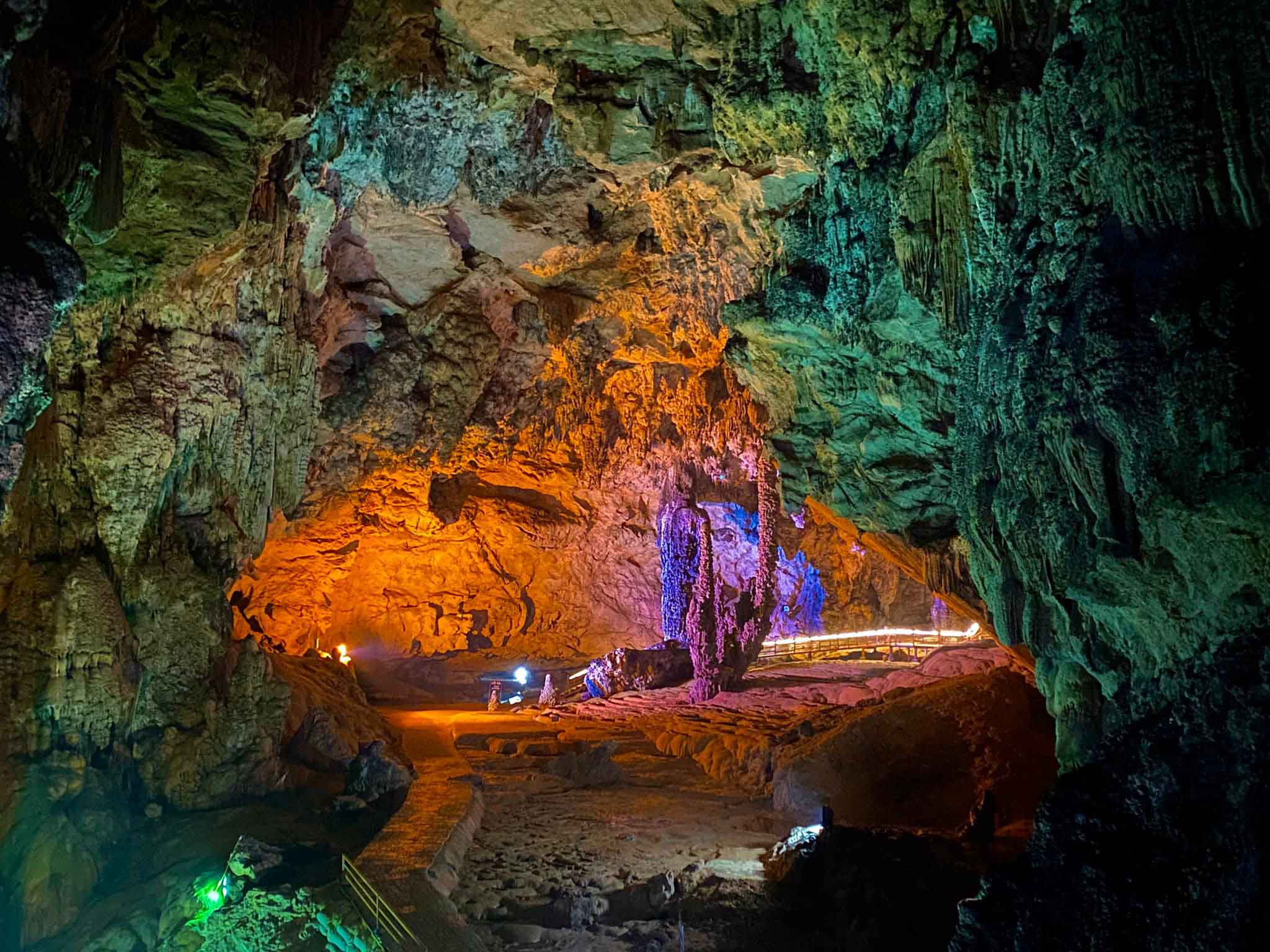
The Quay Son River
The Quay Son River, which flows through Ban Gioc Waterfall, plays a vital role in the ecology and culture of the region. The river’s clear, emerald waters are not only a source of life for the surrounding flora and fauna but also a focal point for local communities. Fishing, agriculture, and transportation along the river have shaped the way of life in the area for centuries.Visitors to Ban Gioc can take a boat ride on the Quay Son River, offering a serene and picturesque way to experience the natural beauty of the region. The river’s gentle flow and the stunning backdrop of the waterfall make it a highlight of any visit to Ban Gioc.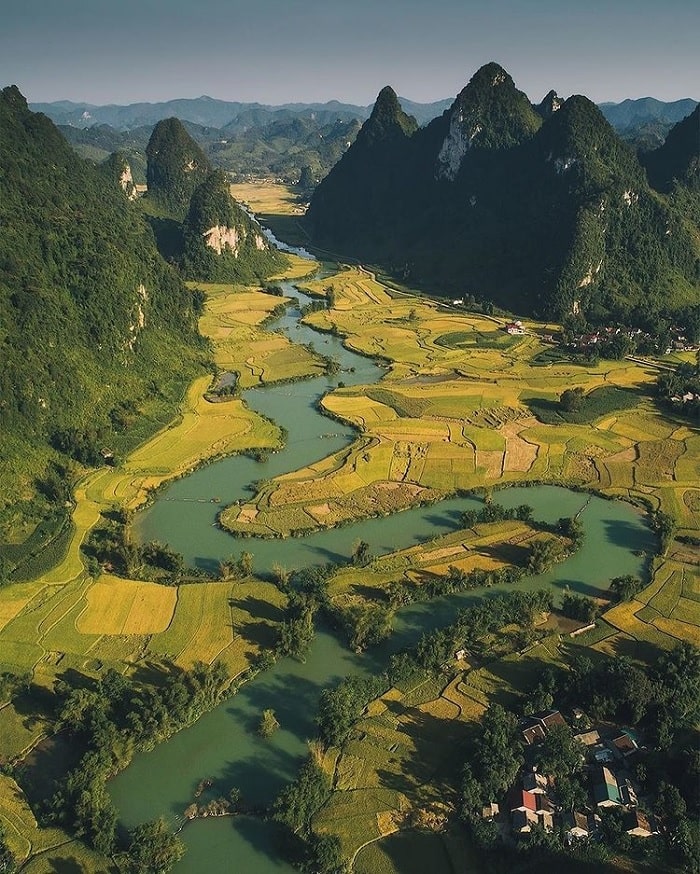
Local Cuisine and Dining Options
The region around Ban Gioc Waterfall offers a variety of dining options that allow visitors to sample traditional Vietnamese cuisine. Local specialties include dishes made from fresh river fish, wild herbs, and vegetables grown in the fertile valleys. Popular dishes include grilled fish, sticky rice, and various noodle soups, all prepared with local ingredients and time-honored recipes.For a more authentic experience, dining at a local homestay or small family-run restaurant is recommended. These establishments often serve home-cooked meals that reflect the culinary traditions of the ethnic minority communities living in the area.Cultural Exchange at the Border
The border area around Ban Gioc Waterfall is a place of cultural exchange, where Vietnamese and Chinese communities interact and share their traditions. This cross-cultural interaction is evident in the markets, where vendors sell products from both countries, and in the festivals that celebrate the shared heritage of the region.Visitors to Ban Gioc can witness this cultural exchange firsthand, gaining a deeper understanding of the complex and harmonious relationship between the two countries.Local Markets and Handicrafts
The local markets near Ban Gioc Waterfall offer a variety of handicrafts and souvenirs that reflect the cultural heritage of the region. Visitors can purchase traditional textiles, hand-carved wooden items, and other artisanal products made by the ethnic minority communities. These markets are also a great place to buy local produce, such as honey, herbs, and spices.Shopping at the local markets not only provides a unique memento of your visit but also supports the local economy and helps preserve traditional crafts.Tips for Visiting Ban Gioc Waterfall From Hanoi