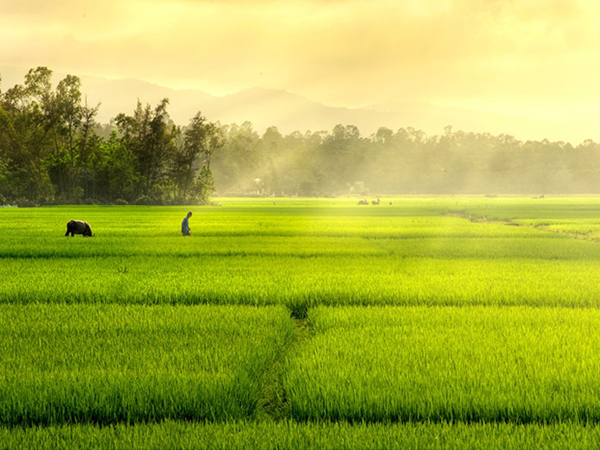
Vietnam is a country where rice is much more than a staple food. Across the mountains, valleys, and river deltas, rice paddies are part of everyday life, culture, and the identity of local communities.
For YESD Travel, visiting a Vietnam rice paddies field is not simply about taking beautiful photographs. It is an opportunity to meet the people who cultivate the land, learn about traditional farming, and understand how rural communities have built their lives around rice for generations.
Here are some of the most beautiful rice field destinations in Vietnam to explore.Book your tour with YESD today for an authentic, eco-friendly tour.
Best Places to Experience Vietnam Rice Paddies Field
While rice paddies are widespread across Vietnam, certain destinations offer unforgettable experiences for travelers looking to immerse themselves in the beauty of these fields:1. Mu Cang Chai Rice Fields
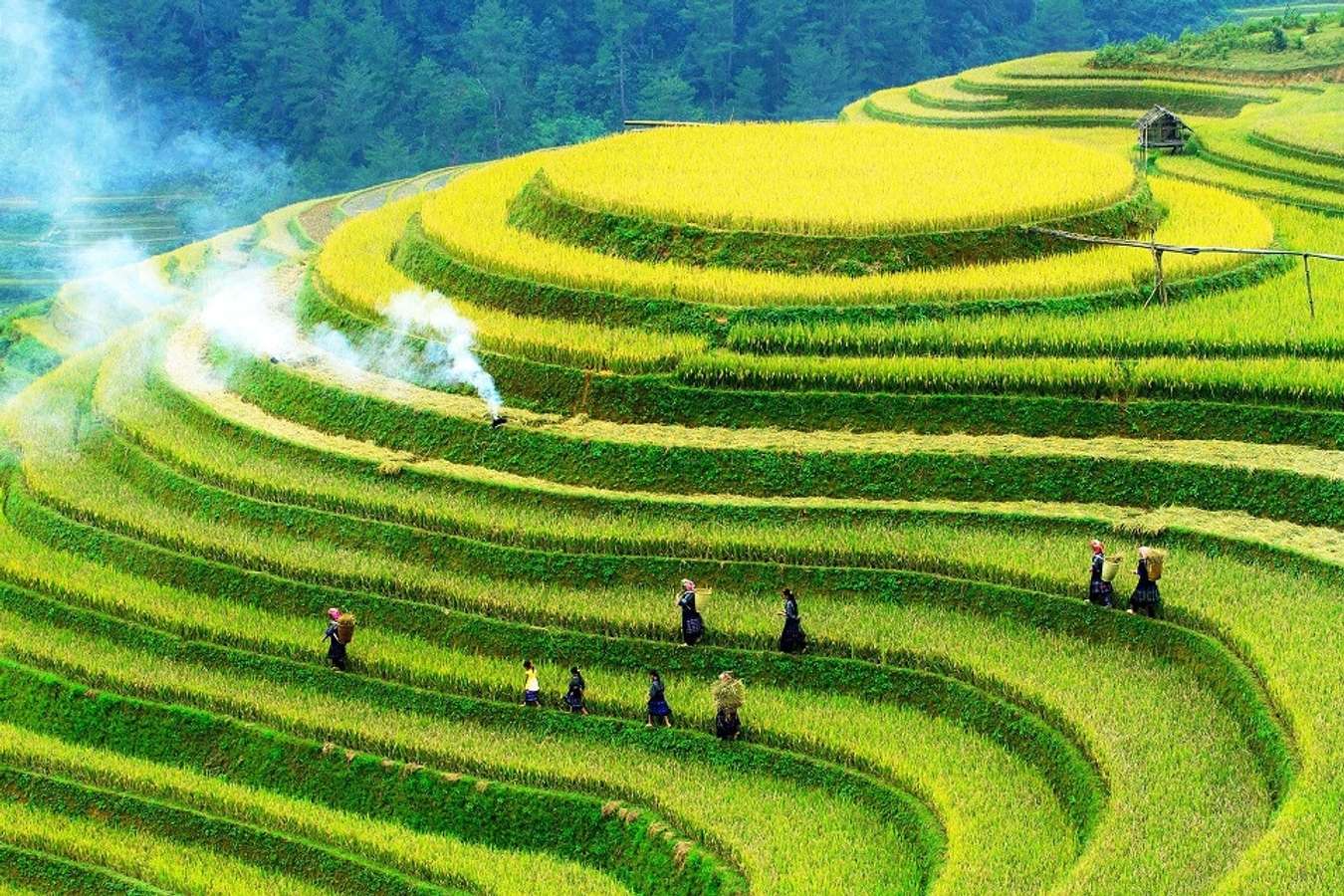
In the mountains of Yen Bai Province, Mu Cang Chai is home to some of the most spectacular rice terraces in Vietnam.
For generations, local farmers have shaped the steep mountain slopes into carefully carved terraces. From a distance, the fields look like giant ribbons following the curves of the mountains.
The scenery changes throughout the year. Young rice creates layers of fresh green, while harvest season transforms the hills into shades of gold.
Mu Cang Chai is particularly special for travelers interested in photography and local culture. Walking through the villages allows you to see farmers working in the fields and experience the everyday life of communities living among the terraces.
The most popular time to visit is around September to October, when the rice is turning golden and harvest activities begin.
2. Hoang Su Phi Rice Fields
If you are looking for a more remote and authentic Vietnam rice paddies field experience, Hoang Su Phi in Ha Giang Province is worth exploring.
The terraced rice fields here stretch across dramatic mountains and valleys. Unlike some of Vietnam’s more famous destinations, Hoang Su Phi remains relatively quiet, making it easier to experience rural life at a slower pace.
The area is home to different ethnic communities, including the Dao, Hmong, Nung, La Chi, and Tay people. Their traditional houses, clothing, farming practices, and village life are an important part of the landscape.
For YESD, this connection between the rice fields and local communities is what makes Hoang Su Phi particularly meaningful.
During harvest season, usually around September and October, the terraces become golden. Farmers return to the fields to harvest rice using traditional methods that have been passed down through generations.
3. Sapa Rice Fields
Sapa is one of the best-known destinations for seeing Vietnam’s rice terraces.
Surrounded by the Hoang Lien Son mountain range, the valleys around Sapa are covered with layers of rice paddies. Villages belonging to Hmong, Dao, Tay, and other ethnic communities are scattered among the terraces.
Trekking is one of the best ways to experience the landscape. Instead of simply viewing the rice fields from a lookout, you can walk between villages, cross small paths between the terraces, and see farmers working on the land.
The rice fields are particularly impressive from September to October, when the terraces take on their golden harvest colors.
But Sapa is not only about scenery. A responsible visit also means taking time to learn about the people who have cultivated these mountains for generations.
4. Bac Son Valley Rice Fields
Bac Son Valley in Lang Son Province offers a different view of Vietnam’s rice paddies.
Instead of steep terraces covering high mountain slopes, the valley is surrounded by limestone mountains with expansive rice fields spreading across the flat land below.
One of the best viewpoints is Na Lay Peak, where you can look across the entire valley. The patchwork of rice fields changes color throughout the farming cycle, creating a different landscape every few weeks.
Bac Son is also home to Tay, Nung, Dao, and other ethnic communities. Travelers can combine a visit to the rice fields with village walks and opportunities to learn about traditional houses, food, and rural lifestyles.
5. Y Ty Rice Terraces
Hidden in the mountains of Lao Cai Province, Y Ty is one of the more remote destinations for experiencing Vietnam rice terraces.
The landscape is characterized by steep mountains, deep valleys, clouds, and rice terraces. The remote location means that traveling here can feel very different from visiting more established tourist destinations.
Y Ty is also home to several ethnic communities, including the Ha Nhi, Hmong, Dao, and Giay. Their traditional clothing and houses add another layer of character to the mountain landscape.
For photographers, the combination of misty mountains, colorful villages, and rice terraces creates endless opportunities to capture rural Vietnam.
6. Mai Chau Rice Fields
Only a few hours from Hanoi, Mai Chau is one of the most accessible places to experience peaceful rural landscapes in northern Vietnam.
The valley is surrounded by mountains and filled with rice paddies, small villages, traditional stilt houses, and cycling paths.
Cycling through the rice fields is one of the most enjoyable ways to explore the area. You can pass through farming villages, meet local people, and watch farmers working in the fields.
Mai Chau is a good choice for travelers who want to combine nature, village life, cycling, and cultural experiences without traveling too far from Hanoi.
7. Tam Coc Rice Fields
In Ninh Binh, the rice fields around Tam Coc create one of Vietnam’s most recognizable rural landscapes.
A traditional boat ride along the Ngo Dong River in Tam Coc Area offers a particularly beautiful way to experience the landscape. The route passes between limestone cliffs, caves, waterways, and rice fields.
You can also explore the countryside by bicycle, following small roads through villages and farmland.
The rice fields around Tam Coc are usually at their most photogenic around May and early June, when the paddies turn golden before harvest.
8. Pu Luong Rice Fields
Pu Luong Nature Reserve in Thanh Hoa Province is another beautiful destination for travelers who want to experience rice terraces alongside traditional village life.
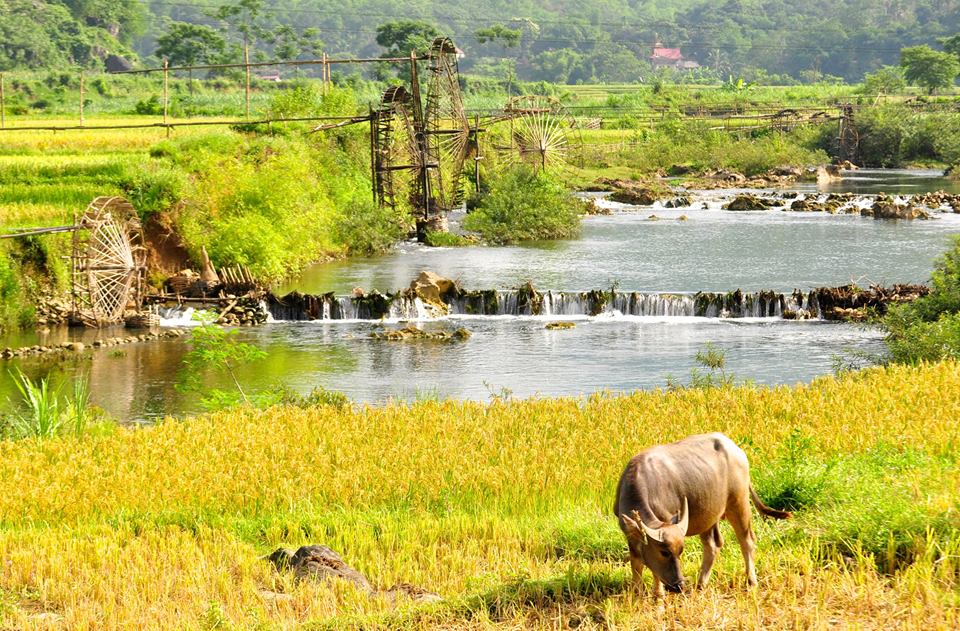
The mountains here are covered with forests and rice terraces, while small villages sit quietly between the hills. Traditional Thai stilt houses, bamboo water wheels, forest paths, and farming activities create a landscape where nature and daily life exist side by side.
But even outside harvest season, Pu Luong offers something valuable: time to slow down, walk through villages, and experience a quieter side of Vietnam.
Book your Mai Chau Pu Luong tour here!
9. Cao Bang Rice Fields
Cao Bang is better known for its mountains, waterfalls, and valleys, but its rice fields are equally worth discovering. Around areas such as Phong Nam valley and Trung Khanh, rice paddies sit between dramatic limestone mountains and traditional villages.
A journey through Cao Bang can combine rice fields with visits to villages, local markets, waterfalls, and other natural landscapes.
10. Hoi An Rice Fields
Rice fields in Hoi An offer a completely different experience from the dramatic mountain terraces of northern Vietnam.
Just outside Hoi An ancient town, the countryside opens into peaceful fields, waterways, coconut groves, and small farming communities.
The easiest way to explore is by bicycle. Along the way, you may see farmers working in the fields, water buffalo, traditional houses, and small villages.
11. Mekong Delta Rice Fields
In southern Vietnam, the Mekong Delta offers a completely different rice-field experience.
Instead of mountain terraces, you will find vast flat landscapes crossed by rivers and canals. The region is one of Vietnam’s most important rice-producing areas.
A journey through the Mekong Delta can include boat trips along narrow waterways, visits to local markets, countryside cycling, and encounters with farming communities.
Seasonal Beauty of Vietnam’s Rice Fields
Vietnam’s rice paddies go through dramatic transformations throughout the year, offering a different experience depending on the season:- Planting Season: During the planting season (April to June), the fields are flooded with water, reflecting the sky and creating a serene, mirror-like landscape.
- Growing Season: From July to September, the rice turns vibrant green as it grows, creating lush, dense fields. The sun shines through the rice paddies fields is a must-see sight for many travellers to Vietnam.
- Harvest Season: The fields take on a golden hue from September to October, as the rice ripens and farmers begin harvesting. This is one of the best times to visit the terraced fields for photography.
The Significance of Rice Paddies in Vietnam
Rice has long been a staple of Vietnamese life, both economically and culturally. The country is one of the world’s largest producers and exporters of rice, and its rice paddies cover vast areas of both rural and mountainous regions. More than just farmland, rice paddies have shaped Vietnam’s identity over millennia.- Agricultural Importance: Rice paddies fields support millions of farmers and their families. Many regions in Vietnam, particularly the Mekong Delta, are known as the rice baskets of the country, where generations have farmed these lands.
- Cultural Significance: Rice is also deeply embedded in Vietnamese culture, symbolizing abundance and prosperity. It plays a central role in festivals, traditions, and daily life. During Tet, Vietnam’s Lunar New Year, rice-based dishes such as bánh chưng are prepared to celebrate the harvest.
Types of Rice Paddies Fields in Vietnam
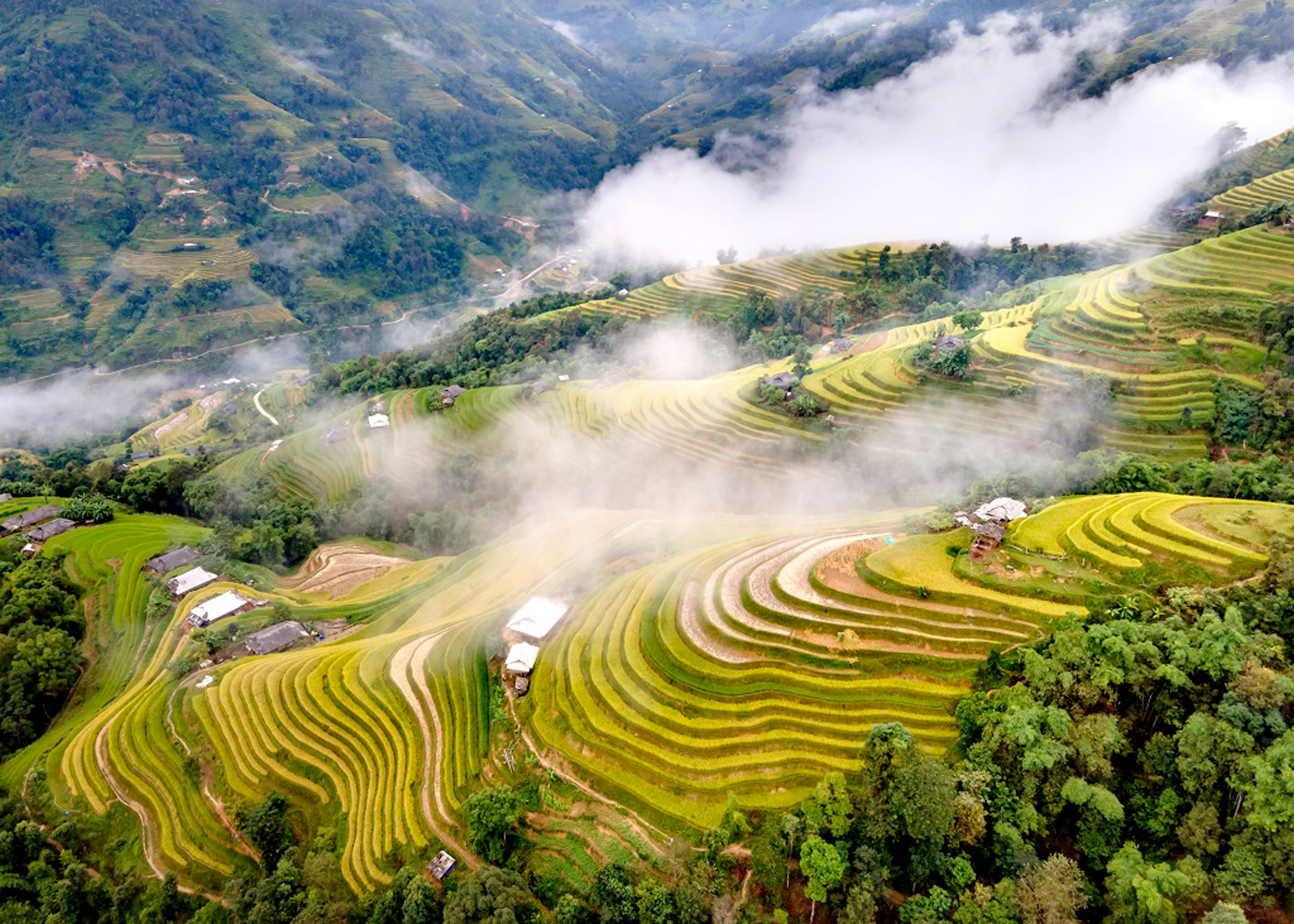
The variety of rice paddies across Vietnam’s diverse geography provides unique experiences for travelers:- Terraced Rice Fields: Found primarily in northern Vietnam, in places like Sapa and Mu Cang Chai, these stunning terraces are carved into the mountains, creating layers of green fields.
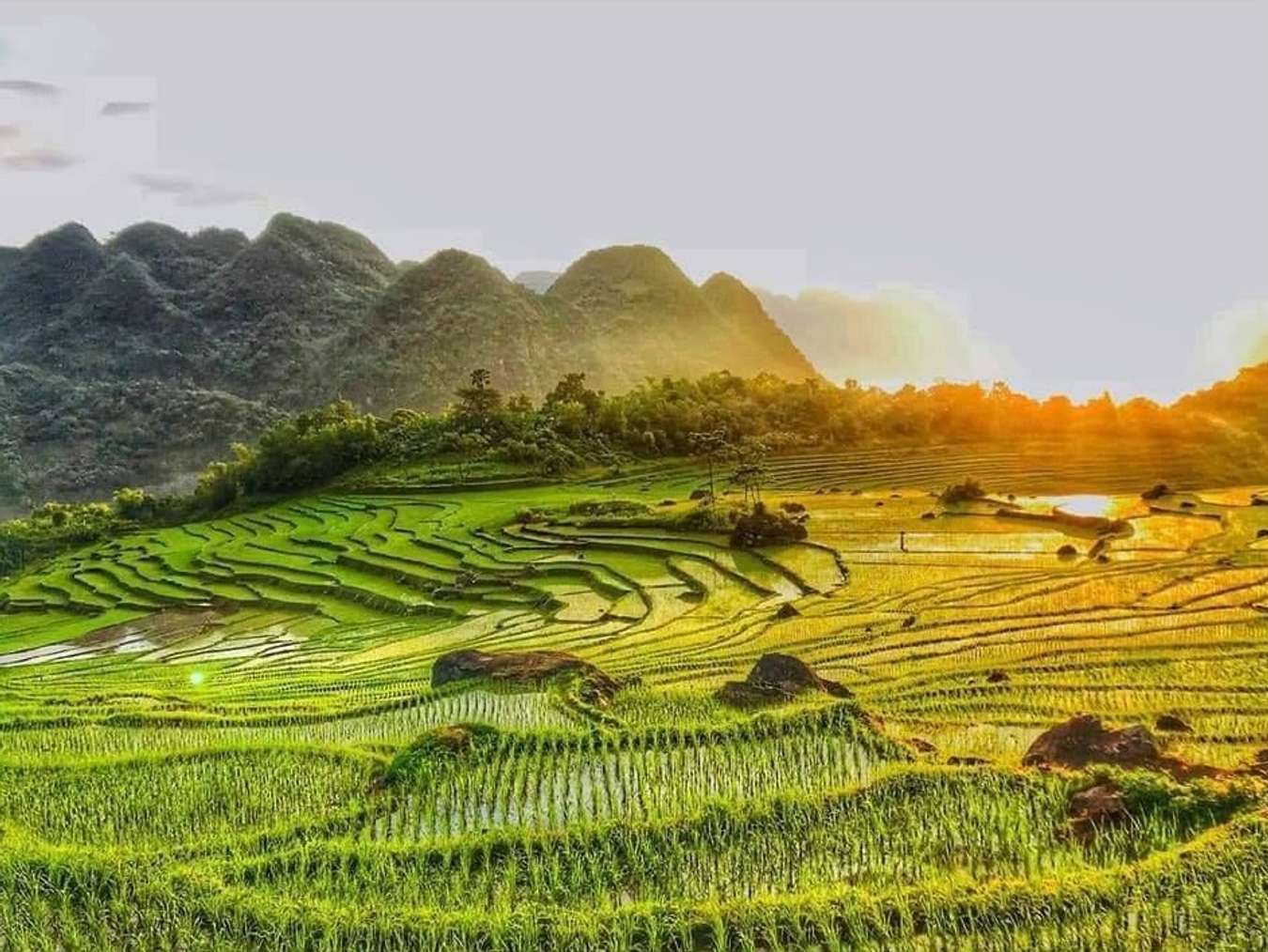
- Lowland Rice Paddies: Common in central and southern Vietnam, these fields are often flat and expansive, stretching across plains and valleys.
- Coastal and Delta Rice Fields: In regions like the Mekong Delta, rice paddies rely heavily on rivers and coastal ecosystems for water, making them crucial to the country’s agricultural output.
Sustainable Tourism in Vietnam’s Rice Fields with YESD
For YESD, the simple encounters with farmers is an important part of responsible travel. Sometimes the most memorable moments come from simply slowing down and observing everyday life. As a company committed to sustainable tourism, we offer community-based travel programs that allow visitors to engage meaningfully with local farmers and communities.Through YESD’s tours, travelers can:- Experience traditional farming: Participate in rice planting or harvesting, learning from local farmers.
- Stay with local families: Enjoy authentic homestays in remote villages, providing an in-depth understanding of rural life.
- Support sustainable initiatives: YESD works directly with communities to promote eco-friendly tourism that benefits both the locals and the environment.
Wildlife and Ecosystems in Vietnam’s Rice Paddies
Vietnam rice paddies fields are rich in biodiversity, supporting a wide range of wildlife. Some of the ecosystems depend on the rice paddies fields are:- Birds: Egrets and herons are often seen wading through the flooded fields.
- Fish and amphibians: Many rice paddies double as fish farms, providing both rice and fish to farmers.
- Insects: Rice paddies are home to various insect species, which are crucial for maintaining the ecosystem.
Conclusion
The rice paddies fields of Vietnam are a testament to the country’s agricultural traditions, natural beauty, and cultural heritage. Whether you’re trekking through the terraces of Sapa or exploring the lush plains of the Mekong Delta, these landscapes offer unforgettable experiences. By traveling responsibly with YESD, you’ll not only immerse yourself in Vietnam’s stunning rice paddies but also contribute to sustainable tourism.Book your tour with YESD today for an authentic, eco-friendly tour.
