
If you are dreaming about cool mountain air, golden rice terraces, winding passes, and views so beautiful that your phone may finally feel useful, Ha Giang In September is an excellent idea. Summer rain begins to ease, the temperature becomes more comfortable, and the northern mountains start dressing up for autumn.
This is one of my favorite times to explore northern Vietnam. The days are pleasant, the mornings can be misty, and the rice fields around Hoang Su Phi begin glowing like nature has switched on a giant golden lamp. Whether you want to ride the famous Ha Giang Loop, photograph mountain scenery, taste local food, or simply escape city noise, September offers a wonderful balance of adventure and comfort.
Skip the headache and book your Ha Giang tour with YESD here!
1. Why Visit Ha Giang In September?
September is a beautiful transition month in Ha Giang. The hot, humid feeling of summer begins to soften, while autumn brings cooler air, brighter light, and more comfortable conditions for outdoor activities. Daytime temperatures are often pleasant for sightseeing and trekking, while evenings can feel cool enough to make a warm bowl of noodles taste even more heroic.
The countryside also becomes especially photogenic. Rice terraces begin changing from green to golden, mountain roads look clearer after the rainy season, and early mornings may bring mist floating over valleys. This combination makes September a strong choice for both first-time visitors and experienced travelers who want to see Ha Giang at its most colorful.
2. Ha Giang In September Weather: What Should You Expect?
The weather in September is usually mild compared with the hotter summer months. Temperatures commonly sit around 18–25°C, although conditions can vary between valleys, towns, and high mountain passes. During the day, you may enjoy sunshine and gentle breezes; after sunset, the air can become noticeably cooler.
Rainfall generally decreases as autumn begins, but Ha Giang is still a mountainous region, so showers can appear unexpectedly. Pack a light rain jacket even when the sky looks innocent. Mountain weather enjoys surprises, and it has never once asked permission before changing its mind.
2.1 Is September Good for Outdoor Activities?
Yes. The cooler air makes September suitable for sightseeing, trekking, photography, and motorbike trips. You can spend more time outdoors without feeling as if the sun is personally trying to cook you.
The roads may still be wet after rain, especially in remote areas. Ride slowly around bends, check local conditions each morning, and allow extra time for the journey. Clear weather is lovely, but safe travel is much lovelier.
2.2 What Should I Wear in September?
Wear comfortable clothes in layers. A T-shirt works well during sunny afternoons, while a light sweater or windbreaker is useful in the evening and at higher elevations. Add comfortable walking shoes with good grip, especially if you plan to visit rice terraces or explore village paths.
A waterproof jacket, sunscreen, insect repellent, and a small dry bag are also useful. Your suitcase does not need to become a portable department store, but it should be prepared for sun, mist, wind, and rain in the same day.
3. The Ha Giang Loop September Experience
The Ha Giang loop september experience is all about dramatic landscapes and slow, scenic travel. The classic route connects Ha Giang City with Quan Ba, Yen Minh, Dong Van, and Meo Vac before returning through mountain roads and rural valleys.
You will travel past limestone peaks, deep gorges, rice terraces, local villages, and viewpoints that make you stop every few minutes. Technically, this can make the journey longer. Emotionally, it makes the journey much better.
The loop is not a casual city ride. It includes steep passes, narrow roads, sharp bends, and changing weather. If you are not confident on a motorbike, an Easy Rider tour is a smart and enjoyable option. A local driver handles the road while you focus on the scenery, your camera, and trying not to look too terrified in photographs.
4. Best Places to Visit in Ha Giang In September
September gives you plenty of choices, from golden rice terraces in the west to dramatic karst landscapes in the north. You do not need to visit every place in one heroic rush. Choose a route that matches your time, fitness, and appetite for winding roads.
4.1 Hoang Su Phi: The Star of Rice Terrace Season
Hoang Su Phi is one of the best places to visit during Ha Giang In September if you want to see rice terraces. The hillsides around Ban Phung, Ban Luoc, Nam Ty, Thong Nguyen, and nearby villages can become covered in layered fields shifting from green to yellow.
The terraces are shaped by generations of local farming. Their soft curves follow the mountains, creating a landscape that looks like a giant painting made by very patient artists. Sunrise and late afternoon are particularly beautiful because the low light highlights every line in the fields.
The roads to Hoang Su Phi can be challenging, especially after rain. If you are unsure about mountain riding, travel by car, join a guided tour, or hire a local driver rather than testing your confidence on a slippery hillside.
4.2 Dong Van Karst Plateau
The Dong Van Karst Plateau offers a striking contrast between golden rice fields and rugged gray limestone mountains. The area is known for its dramatic terrain, winding roads, and traditional villages spread across a highland landscape.
In September, the warmer colors of ripening crops soften the rocky scenery. The result is wild, peaceful, and slightly dramatic—in other words, perfect for a travel photograph where you pretend you have just discovered a secret kingdom.
4.3 Ma Pi Leng Pass
Ma Pi Leng Pass is one of the most unforgettable sections of the Ha Giang loop september route. The pass connects Dong Van and Meo Vac along the Happiness Road, with steep mountain walls on one side and deep valleys on the other.
From the viewpoints, you can often see the Nho Que River winding far below. September’s cooler temperatures can make the ride more comfortable, but you should still drive carefully. Stop only in safe areas, keep away from unprotected edges, and do not let a dramatic selfie turn into a dramatic rescue mission.
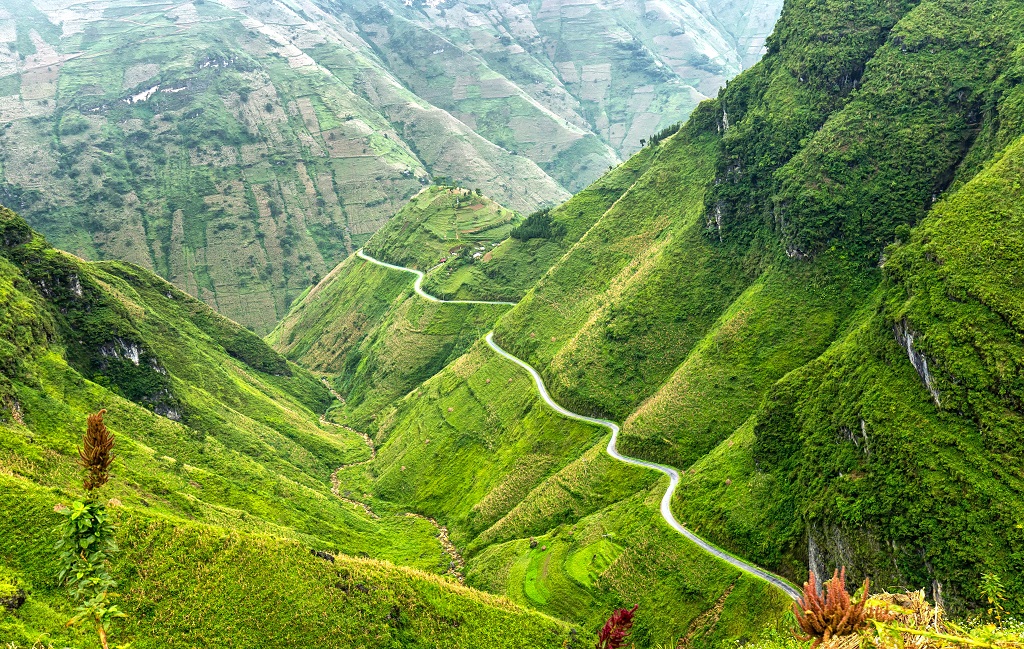
4.4 Lung Cu Flag Tower
Lung Cu Flag Tower is a meaningful landmark in northern Vietnam and a popular stop for travelers exploring the far north. The tower stands on Dragon Mountain and offers views over the surrounding valleys and countryside.
Reaching the viewpoint involves climbing several steps, so bring water and take your time. The fresh air, open landscape, and sense of place make the effort worthwhile. It is a lovely location to reflect on the journey and take a photograph that says, “Yes, I really came all the way here.”
4.5 Sung La Valley
Sung La Valley is known for its peaceful rural scenery, earthen-walled homes, cornfields, and traditional village life. In September, you may see a mixture of green crops, golden fields, and seasonal flowers across the valley.
The valley feels gentle compared with the more dramatic passes. Walk slowly, observe local life respectfully, and enjoy the small details: old rooftops, winding paths, wooden fences, and children’s bright smiles. The best memories are not always located at the biggest viewpoint.
4.6 Dong Van Old Quarter
Dong Van Old Quarter is a lovely place to relax after a day on the road. Traditional buildings, tiled roofs, small cafés, and evening lights create a warm atmosphere in the highland town.
Order a coffee, sit outside, and let your legs recover from the motorbike. At night, the old quarter becomes cozy and lively without feeling overwhelming. It is also an excellent place to chat with other travelers and exchange advice about the next day’s route.
5. The Most Beautiful Experiences During Ha Giang In September
The best part of Ha Giang In September is not just checking destinations off a list. It is the collection of small moments between them: mist over a pass, tea with a local family, a quiet road through the hills, or a bowl of hot food after a long ride.
5.1 Watch Sunrise Over the Mountains
Wake early and look for sunrise around Quan Ba Heaven Gate, high viewpoints, or the Ma Pi Leng area. The difference between cool nights and warmer days can create low cloud or mist in the valleys.
When the first sunlight reaches the rice terraces, the landscape can look soft and almost unreal. Yes, waking before 5 a.m. is painful. But so is missing the best view because your pillow gave a persuasive speech.
5.2 Photograph the Golden Rice Fields
September is a wonderful month for photographing rice terraces, particularly around Hoang Su Phi and surrounding villages. The fields may not all ripen at the same time, so ask local hosts or guides where the best colors are during your visit.
Take wide photographs of the mountains, then look closer at the farmers, pathways, baskets, and textures of the rice. If you want a memorable portrait, you may be able to rent traditional clothing locally. Always ask permission before photographing people or entering farmland.
5.3 Visit a Highland Market
If your itinerary matches the schedule, visit a local market in Dong Van or Meo Vac. Weekend markets are colorful social gatherings where people shop, eat, meet friends, and wear beautiful traditional clothing.
Markets offer a more authentic look at daily life than a quick stop at a viewpoint. Try a local snack, observe respectfully, and avoid treating people as decorations for your holiday album. A smile and polite question go much further than a camera pointed without warning.
5.4 Take a Boat Trip on the Nho Que River
The Nho Que River is famous for its clear green color and dramatic setting between steep cliffs. A boat trip allows you to see the landscape from below and appreciate the scale of the gorge.
The route to the river may involve steep roads or steps, so wear practical shoes and follow local safety advice. Bring water, protect your phone, and prepare for photographs that may make everyone back home slightly jealous.
6. What to Eat in Ha Giang In September
Cooler September evenings create the perfect excuse to explore local food. Ha Giang cuisine is hearty, warming, and full of regional flavors. You may not recognize every dish immediately, but travel is partly about being brave enough to order something with a name you cannot pronounce.
6.1 Black Chicken Hotpot
Black chicken is a regional specialty often prepared in a warming hotpot with herbs and spices. The meat is firm and flavorful, while the broth can include ginger, chili, and mountain seasonings.
It is especially satisfying after a cool day on the road. Gather around the pot with friends, add ingredients slowly, and try not to eat everything before the person next to you has found a spoon.
6.2 Dong Van Steamed Rice Rolls
Steamed rice rolls in Dong Van are often served with a light bone-broth soup rather than the dipping sauce familiar in other parts of Vietnam. The soft rolls and warm broth make a comforting breakfast before a day of mountain travel.
Order them early in the morning at a local eatery in Dong Van Old Quarter. They are simple, affordable, and exactly the sort of food that makes you wonder why breakfast at home is usually less exciting.
6.3 Thang Co
Thang co is a traditional highland dish prepared with meat, herbs, and distinctive mountain spices. Its strong flavor is part of its identity, and it is often associated with local markets and communal meals.
If you are trying it for the first time, ask the restaurant or guide about the ingredients. Food preferences vary, and there is no shame in starting with a small bowl. Travel bravery does not require pretending every flavor is your new personality.
6.4 Au Tau Porridge
Au tau porridge is a famous Ha Giang dish known for its rich flavor and warming quality. It is traditionally prepared carefully, and you should eat it only at a reputable local restaurant that knows how to prepare it properly.
The thick porridge is a comforting choice on a chilly evening. Follow local guidance, enjoy it slowly, and do not attempt to recreate it in your hotel room using mysterious ingredients and excessive confidence.
6.5 Five-Color Sticky Rice and Bamboo Rice
Five-color sticky rice is associated with traditional celebrations and symbolizes harmony and prosperity through its colorful presentation. Bamboo rice, meanwhile, is fragrant, portable, and closely connected with rural meals.
These dishes are especially enjoyable at local homestays, where food often comes with conversation and a generous second serving that you did not technically request but will absolutely accept.
7. Where to Stay During Your September Trip
Accommodation depends on your route and budget. In Ha Giang City, you can find hotels and guesthouses that work well for the first or final night. Along the loop, homestays in Quan Ba, Yen Minh, Dong Van, Meo Vac, and Hoang Su Phi offer a more local experience.
Homestays are ideal if you want home-cooked food, cultural interaction, and a chance to learn about daily life in the mountains. Hotels or retreats may suit travelers who prefer extra privacy and more facilities.
Spending your first night near the city center is highly recommended before starting your Ha Giang loop tour. There are several local homestays near the city center with affordable pricing where you can have home-cooked local food.
1. Ha Giang uphill farmstay
This is a premium farmstay in a peaceful little village near Ha Giang city center. The farmstay offer cozy private bungalow with healthy drinks, vegan & vegetarian meals. And cherry on top, the rooms have splendid mountain views. Steam bath, cooking classes, village walks & guided treks, you name it, they have it. This is a cozy place to stay before or after you complete your Ha Giang Loop tour.
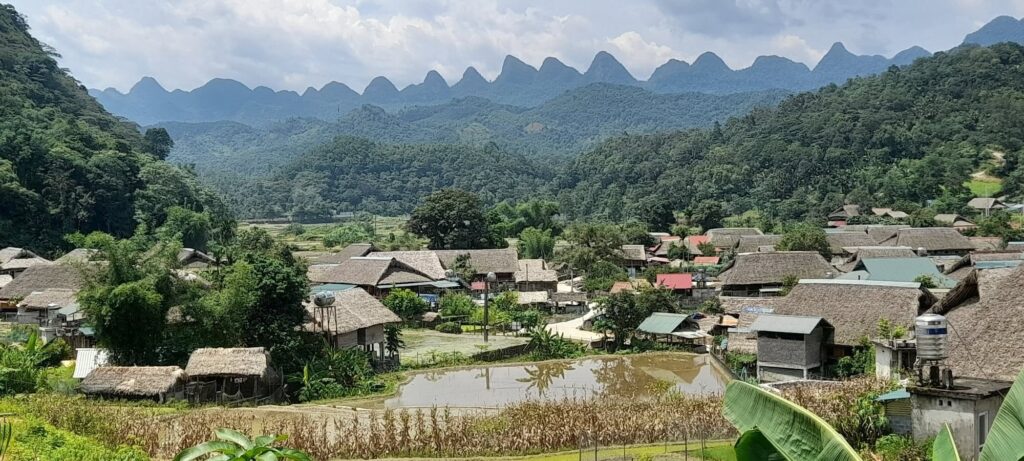
2. Thon Tha Village homestay
This is a premium farmstay in a peaceful little village near Ha Giang city center. The homestay offer beds at local shared stilt houses and private bungalows with ensuite bathroom. On top of that, the rooms have scenic mountain views which I’m sure many will love.
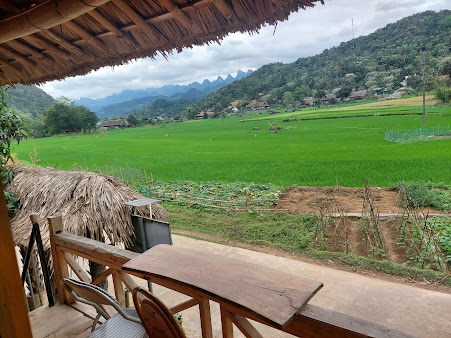
September can attract many visitors because of the rice terrace season, so book ahead if you have fixed travel dates. A little planning is much better than arriving tired and discovering that your only remaining bed is technically a wooden bench beside someone’s karaoke speaker.
8. How to Get to Ha Giang from Hanoi
The most convenient option for many travelers is an overnight sleeper bus from Hanoi to Ha Giang City. Buses commonly depart from major stations and can take approximately 6–8 hours, depending on traffic and the service you choose.
Travelers arriving from southern Vietnam can fly to Noi Bai International Airport near Hanoi, then continue by bus, private car, or other ground transport. This is usually easier than attempting to make the entire journey overland after a long international trip.
You can also travel from Hanoi by private car or motorbike. The road distance is approximately 300 kilometers, and the journey can take 6–7 hours or longer. Because the route includes busy roads and changing terrain, only experienced riders should consider riding the entire distance themselves.
8.1 Should You Rent a Motorbike?
Renting a motorbike in Ha Giang is popular because it gives you flexibility and puts you close to the landscape. However, the loop includes mountain roads that require concentration, patience, and real riding experience.
Check the brakes, tires, lights, horn, mirrors, and fuel before leaving. Wear a helmet, carry your license and necessary documents, and never speed to keep up with a group. A slower rider who arrives safely is far more impressive than a fast rider who becomes a story told at dinner.
8.2 Is an Easy Rider Tour a Better Choice?
Unless you have an international driving license with years of experience on the bike, I suggest you opt for an easy rider tour. A Ha Giang Easy Rider tour is a comfortable option for travelers who want the motorbike experience without driving themselves. Your local driver manages the route while you enjoy the scenery and learn about the communities you pass through.
This option is particularly useful during Ha Giang loop september trips when the roads may still be affected by rain. It also works well for first-time visitors, couples, families, and anyone who would rather spend the journey taking photographs than negotiating a hairpin bend.
9. How Many Days Do You Need?
Allow at least three days for a quick loop, although four days and three nights usually feels more comfortable. This gives you time to stop at viewpoints, visit villages, explore Dong Van, cross Ma Pi Leng Pass, and take a boat trip on the Nho Que River.
If Hoang Su Phi is your main goal, consider adding extra time because it lies west of the more familiar northern loop route. Combining Hoang Su Phi with the classic loop can create a longer journey, but it rewards travelers who want both golden rice terraces and dramatic karst mountains.
If you have more time, a tour combining Ha Giang and Cao Bang might be just what you need.
Book your Ha Giang Cao Bang Tour here.
10. A Suggested Three-Day Ha Giang Loop September Itinerary
Day 1:
Travel from Ha Giang City toward Quan Ba and Yen Minh. Stop at viewpoints, enjoy the changing scenery, and stay overnight in Yen Minh or a nearby village.
Day 2:
Continue toward Dong Van, visit Sung La Valley and Lung Cu Flag Tower, then explore Dong Van Old Quarter. If your timing works, visit a local market if you happen to be there on Sunday and enjoy a relaxed dinner.
Day 3:
Take a walk on the legendary Ma Pi Leng Pass, take a boat trip on the Nho Que River, and continue toward Meo Vac before returning or extending your journey. This schedule is only a framework. Mountain roads have their own opinions, so leave space for weather and spontaneous stops.
Book your Ha Giang tour with YESD here!
11. Practical Safety Tips for September
Check the local forecast every morning and ask your accommodation host or guide about road conditions. Online weather apps are useful, but local people may know about fog, construction, flooding, or landslides before the information appears on your screen.
Ride during daylight, keep your speed under control, and avoid stopping in unsafe road positions. Do not drive after drinking alcohol, even if the dinner conversation has become very enthusiastic.
Carry water, snacks, a power bank, basic medicine, and some cash. Mobile coverage can be inconsistent in remote areas, and small businesses may not accept cards. A little preparation prevents many unnecessary dramas.
12. What to Pack for a September Adventure
Pack a light jacket, rain protection, breathable clothes, sturdy shoes, sunscreen, insect repellent, and a small first-aid kit. If you plan to ride a motorbike, bring gloves and clothing that protects you from wind, dust, and sun.
A dry bag is useful for cameras, phones, passports, and the snacks you promised to save for later. Keep important documents secure, and bring a reusable water bottle to reduce plastic waste.
You may also want a small amount of laundry detergent. Mountain travel has a special talent for making one outfit look as if it has completed an entire expedition.
13. Responsible Travel in Ha Giang
Ha Giang is home to diverse ethnic communities and sensitive mountain ecosystems. Travel respectfully by asking before taking photographs, dressing appropriately in villages, and following local instructions at cultural and religious sites.
Buy food, tea, handicrafts, and services from local businesses when possible. Choose homestays that treat guests fairly and respect community traditions. Do not pick crops, enter private homes, or walk through farmland without permission.
Take all rubbish with you, avoid unnecessary single-use plastic, and keep noise low in villages. The mountains are beautiful enough without someone adding a portable nightclub to the soundtrack.
14. Is Ha Giang In September Crowded?
September can be busier than the quietest months because travelers come to see the rice terraces and enjoy the cooler weather. However, the region is large, and you can still find peaceful roads and quiet viewpoints by starting early or choosing less-visited villages.
Hoang Su Phi may be particularly popular during the rice harvest season, while the classic loop can become lively around Dong Van and Ma Pi Leng. Booking accommodation in advance and traveling with a flexible plan will make the experience much easier.
15. Frequently Asked Questions About Ha Giang In September
15.1 Is September the best month for Ha Giang?
September is one of the best months for travelers who want comfortable temperatures, golden rice terraces, and good conditions for sightseeing. October and November offer different seasonal highlights, so the perfect month depends on what you want to see.
15.2 Can I do the Ha Giang Loop in September by myself?
Yes, experienced riders can complete the loop independently. Beginners or travelers who are not comfortable on steep, narrow roads should choose an Easy Rider or guided tour instead.
15.3 Will it rain in September?
Rain is possible, especially in the mountains, although conditions are often drier than during the peak summer months. Bring waterproof clothing and check local conditions every morning.
15.4 Where can I see the best rice terraces?
Hoang Su Phi, Ban Phung, Ban Luoc, Nam Ty, Thong Nguyen, and nearby villages are strong choices for rice terrace scenery. Harvest timing varies by location, so ask a local host or guide for the best current viewpoints.
15.5 Is the trip suitable for families?
Families can enjoy Ha Giang, especially with private transport or a guided tour. The roads are demanding, so families with children or older travelers may prefer a car and shorter daily journeys rather than riding a motorbike for long hours.
16. Final Conclusion: Is Ha Giang In September Worth It?
Absolutely. Ha Giang In September brings together cool mountain air, golden rice terraces, dramatic passes, colorful markets, delicious local food, and some of the most memorable scenery in northern Vietnam. You can ride the loop, explore Hoang Su Phi, cruise along the Nho Que River, climb to Lung Cu Flag Tower, or simply sit in a village homestay with a warm bowl of food and a cup of tea.
Book your Ha Giang tour with YESD here!
Plan your route carefully, pack for changing weather, choose transport that matches your experience, and leave room for slow mornings and unexpected stops. The best Ha Giang loop september journey is not the one with the most destinations. It is the one that lets you enjoy the mountains safely, meet people respectfully, and return home with a full camera, tired legs, and stories that become more impressive every time you tell them.
