
If you are searching for the perfect month to explore northern Vietnam, Ha Giang In October deserves your full attention. The summer rain begins to retreat, the air turns cooler, rice terraces glow gold, and buckwheat flowers add soft pink and purple color to the rocky mountains.
October is the month when Ha Giang seems to say, “Come quickly, I have dressed up.” The roads are dramatic, the valleys are peaceful, and every bend feels like a ready-made postcard. In this guide, I will share the best places to visit, what the weather is really like, how to plan the Ha Giang Loop, what to eat, where to sleep, and how to enjoy the region safely without giving your motorbike a nervous breakdown.
Why Visit Ha Giang In October?
October is one of the most rewarding times to visit Ha Giang because the region offers a beautiful mix of pleasant weather and seasonal scenery. Days are often dry and sunny, while temperatures become cooler than during the summer. The mountains feel fresh, the roads are more comfortable for sightseeing, and the light is excellent for photography.
The landscape is also unusually colorful. Hoang Su Phi may still show golden rice terraces, while the northern districts begin to welcome fields of buckwheat flowers. Add limestone peaks, deep valleys, traditional villages, and winding passes, and you have a trip that keeps your eyes busy from breakfast until sunset.
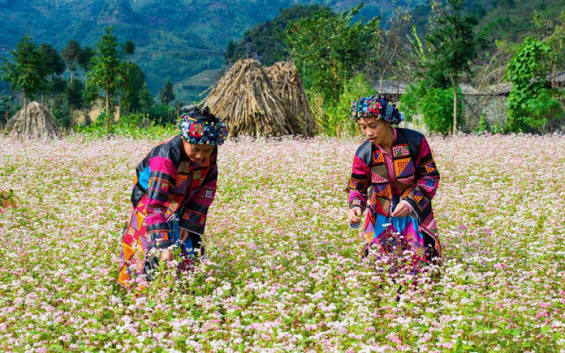
Ha Giang In October Weather: What to Expect
The weather in October marks the transition from autumn toward winter. Daytime temperatures can range from approximately 15–30°C, depending on location, altitude, and daily conditions. Nights become much cooler, sometimes falling to around 5–10°C in higher areas, with mist appearing in the early morning.
Rain is generally less persistent than during the summer, but mountain weather remains changeable. You may start the morning under a soft blanket of fog and finish the afternoon beneath bright sunshine. Pack layers, because October in Ha Giang enjoys keeping travelers guessing.
Is October a Good Month for Motorbiking?
Yes, October is considered a strong month for a motorbike journey, especially for experienced riders. Cooler air makes long riding days more comfortable, and drier roads can improve visibility and traction. However, mountain roads still include sharp bends, steep sections, and areas where fog may reduce your view.
Ride during daylight, slow down before corners, and stop only in safe places. If you are not confident on a motorbike, book an Easy Rider tour. A local driver can manage the difficult roads while you enjoy the scenery and look impressively relaxed in your photographs.
What Should I Wear in October?
Wear light layers that you can add or remove throughout the day. A T-shirt may be enough in the afternoon, while a windbreaker, sweater, scarf, or warm hat can be useful at night and on exposed passes.
Bring comfortable shoes with good grip, especially if you plan to walk around villages, viewpoints, or rice terraces. A rain jacket, insect repellent, sunscreen, and a dry bag for your phone are also sensible additions. Your backpack does not need to weigh as much as a small buffalo, but it should be prepared for changing mountain weather.
Planning the Ha Giang In October Journey
The ha giang loop october experience usually follows a route through Ha Giang City, Quan Ba, Yen Minh, Dong Van, and Meo Vac. Travelers can then return to Ha Giang City or extend the trip depending on their schedule.
The route combines dramatic passes, traditional villages, karst mountains, rice fields, and viewpoints that make you stop constantly. This is wonderful for your memories and slightly less wonderful for your estimated arrival time. Leave room for spontaneous stops because the best view is often the one you did not plan.
The classic loop takes at least three days, but four days and three nights allow a more comfortable pace. If you also want to visit Hoang Su Phi, plan additional time because it lies west of the more familiar northern loop route.
Best Places to Visit in Ha Giang In October
October gives travelers access to both seasonal highlights and famous year-round attractions. You can follow the classic loop, focus on Hoang Su Phi’s rice terraces, or combine cultural stops with river and mountain experiences.
Hoang Su Phi Rice Terraces
Hoang Su Phi is a highlight of Ha Giang In October, particularly from late September through much of October. The terraced fields around Ban Phung, Ban Luoc, Nam Ty, and Thong Nguyen may turn golden as the rice approaches harvest.
The terraces follow the curves of the mountains and create layers of color across the hillsides. Early morning light gives the fields a soft glow, while late afternoon makes the golden slopes look even richer. The road to Hoang Su Phi can be challenging, so choose a car, guide, or experienced driver if you are not comfortable on mountain roads.
Buckwheat Flowers in Sung La and Dong Van
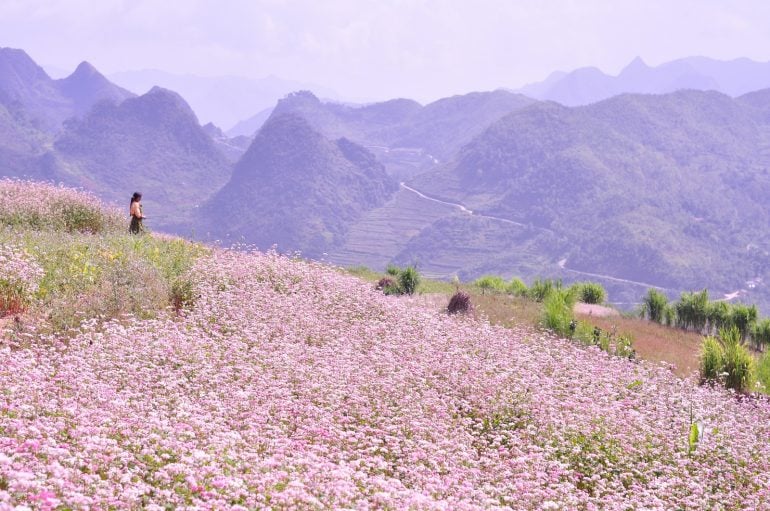
Buckwheat flowers are one of the main reasons visitors plan Ha Giang In October. The flowers may appear white, pink, or purple and often grow near Sủng Là, Lũng Cú, Đồng Văn, Phố Cáo, and Mã Lé.
The flowers are delicate, but their setting is powerful. They grow among limestone peaks, stone walls, cornfields, and traditional homes, creating the famous feeling that “flowers are blooming from the rocks.” Stay on marked paths and avoid stepping into private fields for a photograph. Your perfect picture should not come with a damaged crop as a side effect.
Ma Pi Leng Pass
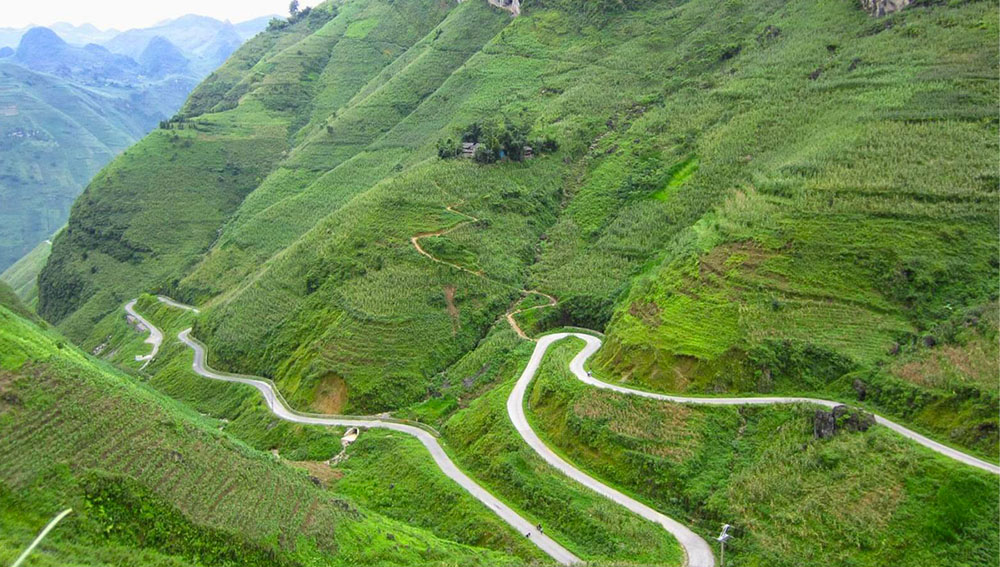
Ma Pi Leng Pass connects Dong Van and Meo Vac along the historic Happiness Road. The pass stretches for roughly 20 kilometers and is known for steep cliffs, winding bends, and expansive views over the Nho Que River.
October’s cooler weather can make the journey more comfortable, while clearer conditions may improve long-distance views. Still, do not rush. Stop at designated viewpoints, keep away from unprotected edges, and let the scenery impress you without trying to impress the cliff.
Nho Que River and Tu San Canyon
The Nho Que River appears like a narrow green ribbon below the mountain roads. From Ma Pi Leng, you can view the river from above; with a local boat trip, you can experience the towering cliffs from below.
Kayaking or boating on the river can be especially enjoyable on a dry October morning when the sunlight reaches into the canyon. Wear a life jacket, follow the operator’s instructions, and carry a waterproof bag for electronics. The river is beautiful enough without adding a floating phone rescue operation.
Lung Cu Flag Tower
Lung Cu Flag Tower is a meaningful landmark near Vietnam’s northern border. Located on Dragon Mountain, the tower offers views across the surrounding valleys and is widely regarded as a symbol of national pride.
The climb involves many steps, so take your time and bring water. Once you reach the viewpoint, the mountain air and open landscape make the effort worthwhile. It is a memorable place to pause and appreciate how far your journey has taken you.
Dong Van Karst Plateau
The Dong Van Karst Plateau is famous for its gray limestone formations, high valleys, and rugged beauty. During October, the warm colors of rice, flowers, and autumn vegetation create a striking contrast with the exposed rock.
The landscape can look dramatic in one direction and deeply peaceful in another. Take time to look beyond the main road, because small villages and quiet paths often reveal the softer side of this famously rugged region.
Sung La Valley and Pao’s House
Sung La Valley is often called a flower of the rocky plateau because of its gentle fields, traditional homes, and peaceful setting. In October, you may see buckwheat flowers, orange chrysanthemums, crops, and stone fences adding color to the valley.
Pao’s House, located in the Lung Cam cultural village, is a traditional Hmong home with earthen walls, an old tiled roof, a wooden gate, and carefully arranged stone fences. The house became widely known after appearing in the Vietnamese film The Story of Pao. It is a charming place to learn about local architecture and take respectful photographs.
Quan Ba Heaven Gate and Twin Mountains
Quan Ba Heaven Gate offers sweeping views over the surrounding valleys and is one of the first memorable viewpoints on the northern loop. Nearby Twin Mountains, sometimes called the Fairy Mountains, have smooth rounded shapes that stand out among the surrounding peaks.
Arrive early if you want softer light and fewer visitors. The air can be cool and misty, which makes the mountains look wonderfully mysterious. If the clouds hide the view, wait a little. Mountain scenery enjoys a theatrical entrance.
Dong Van Old Quarter
Dong Van Old Quarter is a warm and atmospheric stop after a long day of riding. Traditional buildings, tiled roofs, small cafés, and local restaurants create a slower rhythm in the center of town.
Visit around sunset, order a coffee, and give your legs a chance to remember that they belong to you. If your visit matches the weekend market, the old quarter becomes even more lively and colorful.
Best Experiences During Ha Giang In October
The magic of Ha Giang In October comes from more than famous viewpoints. It is found in the small moments: watching farmers work in the fields, meeting local families, drinking tea, and seeing mist lift from a valley as the sun rises.
Photograph the Golden Rice Fields
Hoang Su Phi is the main destination for golden rice terrace photography, although you can also find beautiful fields in smaller valleys and villages along the route. The terraces may reach peak color at slightly different times, so ask local hosts or guides for current conditions.
Use the morning or late afternoon for softer light. Photograph the wider landscape, then look closer at the details of rice stalks, baskets, footpaths, and hardworking farmers. These smaller moments often make your travel story feel more personal.
See Buckwheat Flowers in Bloom
October is one of the most popular months for buckwheat flowers. Look around Sung La, Lung Cu, Dong Van, Pho Cao, and Ma Le, but remember that bloom dates and field locations can change from year to year.
Some areas may charge a small entry fee for flower fields managed by local residents. Pay willingly, follow the paths, and do not climb over fences. The flowers are there to brighten your day, not to become your accidental footrest.
Explore a Highland Market
A highland market is one of the best ways to experience local life. Markets in Quan Ba, Yen Minh, Pho Cao, Dong Van, and Meo Vac bring together farmers, traders, families, food sellers, and travelers.
Arrive early, often around 5:30–6:00 a.m., to see people arriving in traditional clothing and to enjoy the market before it becomes busy. Ask before taking portraits, taste local food respectfully, and remember that a market is a community space first and a tourist attraction second.
Experience Local Dao and Hmong Culture
Ha Giang is home to diverse ethnic communities, including Hmong, Dao, Tay, Lo Lo, and other groups. Depending on timing and location, travelers may encounter traditional music, local cooking, craft activities, or cultural ceremonies.
Some Dao communities hold the Cap Sac ceremony, a meaningful rite connected with adulthood and social responsibility. Visitors should not assume that every ceremony is open to tourists. Ask local hosts or guides how to observe respectfully, and never interrupt a sacred ritual for a photograph.
What to Eat in Ha Giang in October
Cool October evenings make Ha Giang’s hearty food even more appealing. Local dishes are rich, warming, and closely connected to mountain life. You may discover a new favorite meal—or at least a dish that gives you enough energy to conquer another dramatic pass.
Thang Co
Thang co is a traditional highland dish often made with meat, offal, herbs, and distinctive mountain spices. It is commonly served at local markets and communal meals.
The flavor can be strong, so try a small portion if you are new to it. Food adventures should be exciting, but they do not need to begin with you bravely ordering three bowls before tasting the first one.
Au Tau Porridge
Au tau porridge is a famous Ha Giang specialty made with carefully prepared au tau root, rice, meat, and herbs. It is usually served hot and is especially comforting on cool evenings.
Only eat it at a reputable local restaurant familiar with its traditional preparation. Enjoy the dish slowly with green onion, herbs, and minced meat, and let the bowl warm you from the inside out.
Banh Cuon Dong Van
Dong Van rice rolls are soft, warm, and commonly served with a bowl of light bone broth. This makes them an excellent breakfast before a long day on the road.
The dish is simple but deeply satisfying. Add local herbs or chili according to your taste, then enjoy it with the seriousness of someone preparing for a very important mountain mission.
Bamboo Rice
Bamboo rice, known as com lam, is cooked inside bamboo and has a naturally pleasant aroma.
These dishes offer a taste of everyday mountain life. They may not arrive with a fancy presentation, but they do arrive with character, which is more valuable than edible flowers arranged into a nervous little pile.
Black Chicken and Smoked Meat
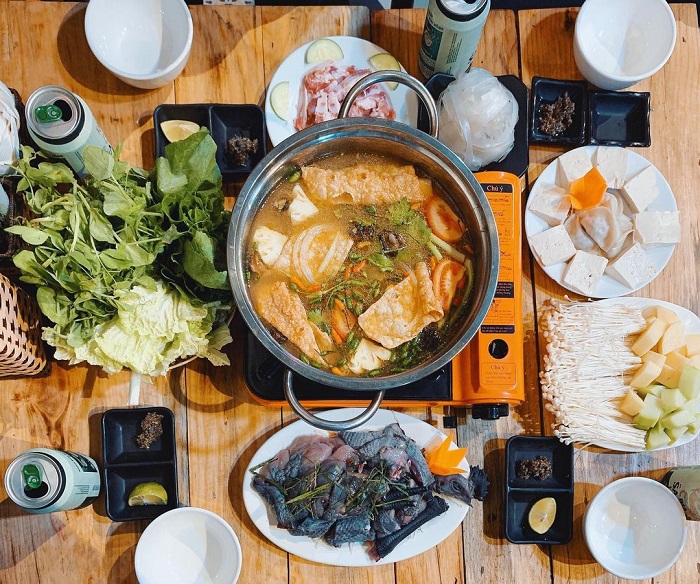
Black chicken is often prepared in soup or hotpot, making it ideal for October’s cooler weather. Smoked buffalo or beef is another popular specialty and can make a practical souvenir for friends and family.
Ask about ingredients and preparation if you have dietary restrictions. Local hosts are usually happy to explain, especially when the conversation comes with a cup of tea.
Buckwheat Cake and Corn Wine
Buckwheat cake has a soft, slightly sweet flavor and is often sold near flower fields or local markets. Corn wine is a traditional drink with a strong aroma and should be enjoyed carefully.
Try a small serving, eat something first, and avoid drinking before riding. A beautiful mountain pass is difficult enough without asking it to spin.
Where to Stay During Ha Giang In October
October is a busy travel month, so reserve your accommodation at least one week ahead, particularly if you want a specific homestay or room in Dong Van, Meo Vac, Hoang Su Phi, or Quan Ba.
Hotels in Ha Giang City are convenient for the first or final night. Homestays offer a more personal experience, with shared meals, local architecture, and opportunities to learn about village life. Retreats and resorts may suit travelers who prefer additional comfort and privacy.
Popular types of accommodation include local homestays in Lo Lo Chai and Dong Van, hotels in Ha Giang City, eco-lodges in Hoang Su Phi, and mountain retreats around the loop. Confirm current prices, facilities, and transport arrangements before booking.
How to Get to Ha Giang
Most travelers reach Ha Giang from Hanoi by sleeper bus. Night buses often leave around 9:00 p.m. and arrive in Ha Giang City early the next morning. Prices vary by operator and service level, so check current schedules before traveling.
A limousine bus is a more comfortable alternative for small groups. If you are traveling with more than eight people, hiring a private vehicle can provide greater flexibility, although the total cost will be higher.
Travelers from central or southern Vietnam can fly to Hanoi’s Noi Bai International Airport and continue to Ha Giang by bus, private car, or another ground transfer.
Driving from Hanoi by Motorbike or Car
The journey from Hanoi to Ha Giang is roughly 280–300 kilometers and may take 6–8 hours depending on traffic and route. Motorbike travel is best suited to experienced riders with enough time and confidence for a long road journey.
Families, larger groups, and travelers carrying heavy luggage may prefer a private car. Whichever option you choose, let an experienced driver handle the route, particularly on narrow roads and mountain sections.
Renting a Motorbike in Ha Giang
Many travelers take a sleeper bus to Ha Giang City and rent a motorbike there. This saves energy and allows you to begin the loop after a proper rest instead of arriving exhausted from a full day of riding.
Before accepting the bike, check the brakes, tires, lights, mirrors, horn, fuel, and paperwork. Wear a proper helmet and ask the rental provider about road conditions. If the weather becomes foggy or wet, slow down or change plans.
A Suggested Four-Day Ha Giang Loop October Itinerary
On day one, arrive in Ha Giang City, rest, check your motorbike if needed, and continue toward Quan Ba or Yen Minh. Stop at Heaven Gate and Twin Mountains before staying overnight.
On day two, ride through Yen Minh toward Dong Van. Visit Pho Cao, Sung La Valley, Pao’s House, the Vuong Family Mansion, and Lung Cu Flag Tower if time allows. Stay in Dong Van Old Quarter.
On day three, explore Dong Van in the morning, then cross Ma Pi Leng Pass toward Meo Vac. Take a boat trip on the Nho Que River if conditions and timing allow. Stay in Meo Vac or continue according to your tour plan.
On day four, return toward Ha Giang City or extend your trip to another local destination. Keep the itinerary flexible because photographs, markets, weather, and unexpected tea invitations can all take longer than planned.
Responsible Travel in Ha Giang
Respect local communities by asking before photographing people, homes, ceremonies, and children. Dress modestly when visiting villages or cultural sites, and follow instructions from local hosts.
Do not pick buckwheat flowers, walk through private fields, or damage crops while taking photographs. Use marked paths and pay small local entrance fees where applicable. Supporting community-managed tourism helps local families benefit from visitors.
Carry your rubbish with you, reduce single-use plastic, and keep noise low in homestays and villages. The mountains already have a beautiful soundtrack; they do not need your phone playing the same song twelve times.
Is October Crowded in Ha Giang?
October is one of the busiest months because travelers come for rice terraces, buckwheat flowers, comfortable weather, and the classic loop. Popular areas such as Dong Van, Sung La, Ma Pi Leng, and Hoang Su Phi may feel lively during weekends.
You can still enjoy quieter moments by starting early, traveling on weekdays, booking accommodation in advance, and exploring smaller villages. The best way to avoid crowds is not to avoid the season entirely; it is to avoid waking up at the same time as everyone else.
Final Conclusion: Should You Visit Ha Giang In October?
Yes, absolutely. Ha Giang In October offers one of northern Vietnam’s most beautiful travel combinations: cool mountain air, golden rice terraces, blooming buckwheat flowers, dramatic limestone peaks, colorful markets, welcoming communities, and unforgettable roads.
The ha giang loop october journey is ideal for travelers who want adventure with a generous side of scenery. Choose a motorbike, Easy Rider, car, or guided tour according to your confidence. Book accommodation early, pack for warm and cool weather, eat everything responsibly, and leave enough time for the views that make you stop without warning.
Ha Giang does not need to shout to impress you. It simply rolls out one mountain, one valley, one flower field, and one delicious bowl of food at a time. By the end of the trip, you may have tired legs, a full camera, and a strong belief that every difficult road is worth it when the view is this good.
Frequently Asked Questions
Is October the best time to do Ha Giang loop?
October is one of the best months for travelers who want cooler weather, golden rice terraces, buckwheat flowers, and comfortable conditions for sightseeing. September may offer stronger rice harvest scenery in some areas, while November can bring more flowers and cooler air.
Is the Ha Giang Loop safe in October?
The loop can be enjoyed safely in October as it’s not the rainy season, with careful planning, responsible riding, and local advice, you will have a hassle-free trip. The roads remain mountainous, so beginners may prefer an Easy Rider or guided tour instead of driving independently.
What should I pack for a Ha Giang in October trip?
Pack warm layers, a rain jacket, comfortable walking shoes, gloves, sunscreen, insect repellent, medication, a power bank, and a dry bag. Add warmer clothing if you plan to ride early in the morning or stay at higher elevations.
Where can I see buckwheat flowers?
Common viewing areas include Sung La, Lung Cu, Dong Van, Pho Cao, and Ma Le. Flowering times and field locations vary, so ask local guides or accommodation hosts for current information.
How many days do I need for the Ha Giang loop?
Three days is the minimum for a quick trip, while four days and three nights allow a more relaxed experience. Add extra time if you want to include Hoang Su Phi or spend longer exploring villages and markets.
