
Discovering Cat Ba National Park
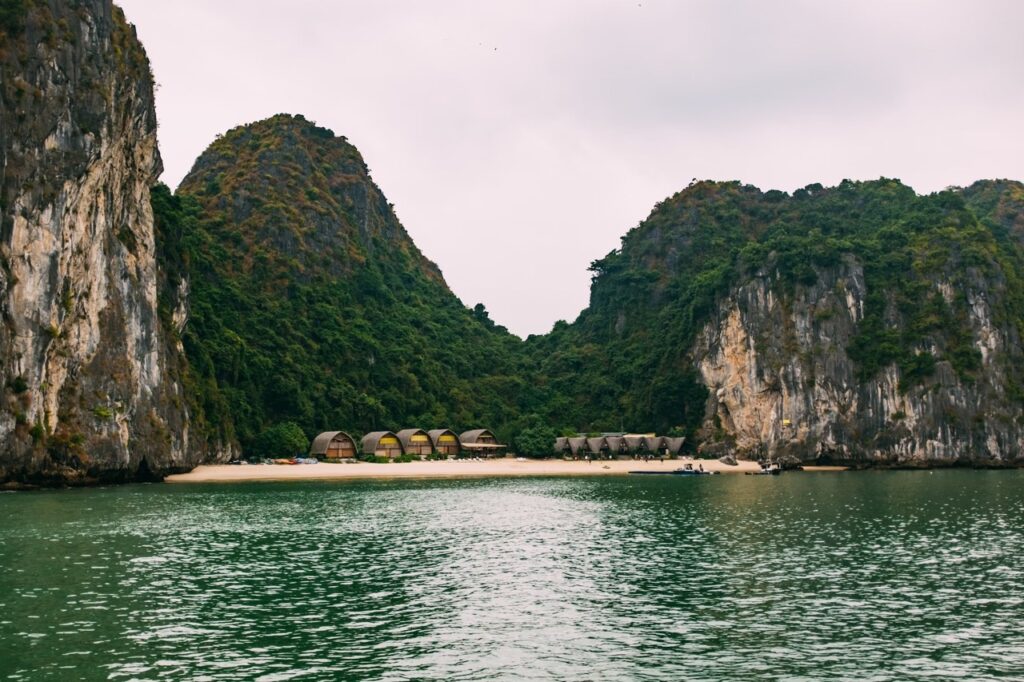 Cat Ba National Park, established in 1986, sprawls across 15,200 hectares on Cat Ba Island, a gem in Ha Long Bay. The park is a sanctuary for diverse flora and fauna, offering a captivating blend of lush landscapes, endemic species, and breathtaking scenery.The park is easy to combine with a wider Cat Ba or Lan Ha Bay trip. You can arrive by road and ferry, high-speed boat, cable car connection, or an organized transfer from Hanoi. Once on the island, local taxis, private vehicles, and motorbikes can take you toward the park entrance and surrounding attractions.Why Is Cat Ba national park Special?
The park is one of Vietnam’s important nature conservation areas and is recognized as part of a UNESCO World Biosphere Reserve. Its ecosystems include tropical forests on limestone mountains, mangrove areas, seagrass beds, coral reefs, caves, and coastal habitats.
The supplied travel information describes thousands of plant and animal species in the area, including rare wildlife such as the Cat Ba langur, flying squirrels, colorful birds, chameleons, and many other forest creatures. The park is not simply a green background for photographs. It is a living ecosystem, and every trail, cave, and mangrove channel is part of a much bigger natural story.
The Cat Ba Langur
The Cat Ba langur is one of the most famous animals on the island and one of the rarest primates in the world. Only a small number remain in the wild, so conservation work is extremely important.
Spotting one is never guaranteed. In fact, the langurs have not signed any agreement to appear on your travel schedule. The best approach is to move quietly, follow conservation rules, and let a guide help you understand the habitat without disturbing the animals.
Forest, Mangrove, and Marine Ecosystems
The park’s appeal comes from its variety. Inland trails pass through forest and limestone terrain, while the wider Cat Ba area leads toward mangroves, coral reefs, seagrass beds, and the calm waters of Lan Ha Bay.
This makes the destination ideal for travelers who want more than a standard beach holiday. You can hike, observe wildlife, explore caves, kayak, snorkel, and learn how island communities live alongside the sea.
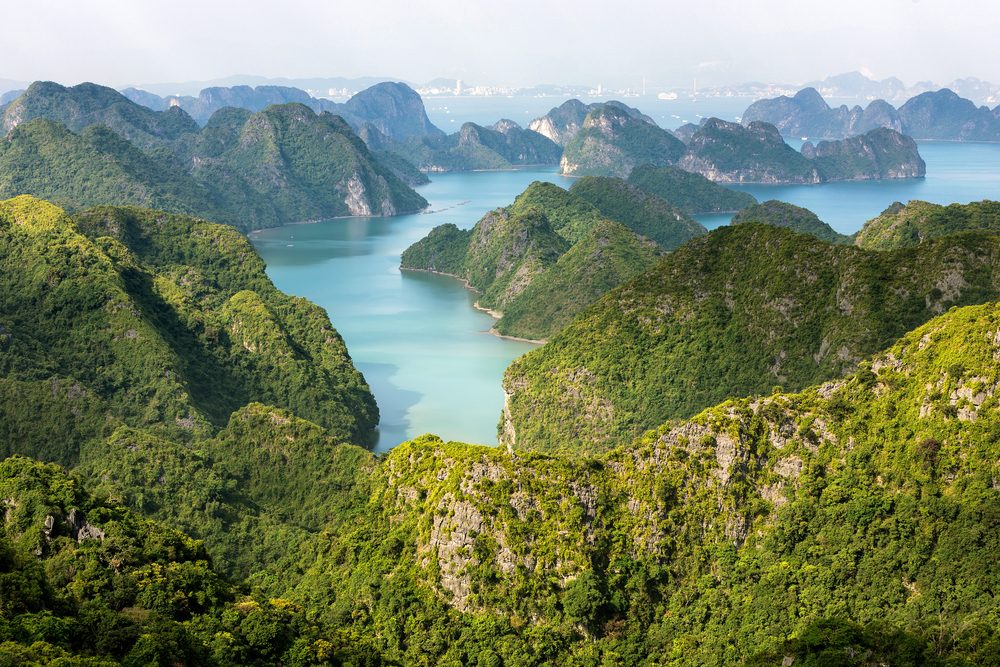 Rare Orchids: The park boasts a collection of rare orchids, adding vibrant splashes of colour to the green canvas. Cat Ba Langur: Witness the captivating Cat Ba langur, a species endemic to the island and facing the threat of extinction.The Best Time to Visit Cat Ba national park
The most suitable time for trekking and outdoor activities is generally from March to October, when the weather is often warmer and conditions are convenient for hiking, sightseeing, and water activities. The period from November to March can be quieter, with fewer visitors and a calmer atmosphere.
The best month depends on your priorities. Choose the warmer period for active exploration and kayaking, or visit in the cooler season if you prefer peaceful trails and fewer crowds. Always check the forecast before trekking because rain can make forest paths slippery and reduce visibility.
Best Season for Trekking
Spring through early autumn can be a pleasant period for walking through the park. Start early to avoid the strongest midday heat, drink plenty of water, and plan enough time for breaks.
After rain, the forest may look especially lush, but muddy ground can make the trail more difficult. Wear shoes with good grip rather than fashionable sneakers that become slippery after meeting one honest puddle.
Best Time for Photography
Morning is usually ideal for photography because the light is softer, temperatures are more comfortable, and the trails may be quieter. Ngu Lam Peak is particularly rewarding early in the day when the forest and mountains appear beneath gentle light.
Bring a small tripod only if you are comfortable carrying it. The best camera is useful, but the best camera that you can carry without complaining is even better.
Top Things to Do in Cat Ba national park
The park offers activities for different travel styles. You can choose a short cave visit, a moderate hike, a full-day trek, or a combined forest-and-bay adventure.
The key is to avoid packing too many activities into one day. Nature is not a theme park with a visible countdown clock. Leave time to look around, breathe, and enjoy the quiet moments between attractions.
Trek to Ngu Lam Peak
Ngu Lam Peak is one of the most popular viewpoints in the park. At approximately 225 meters high, it offers broad views over forest, limestone mountains, and the surrounding island landscape.
The route is around three kilometers and may take approximately one to one and a half hours, depending on your pace and how often you stop for photographs. The climb is manageable for many visitors, but the trail still includes uneven and uphill sections.
Bring water, wear proper shoes, and avoid the trail during heavy rain. Reaching the top feels rewarding, especially when you can see the green forest stretching toward the sea. It is also the perfect place to practice your victorious mountain pose, provided you do not block the view for everyone else.
Walk Through Kim Giao Forest
Kim Giao Forest is known for its old Kim Giao trees and peaceful woodland atmosphere. Mist between the trees can create a mysterious feeling, as if you have wandered into a very polite fantasy film.
The forest is a lovely option for travelers who want a gentler nature experience. Walk quietly, observe the plants, and listen for birds and insects. The goal is to experience the forest, not to make it wonder why you are louder than a tour bus.
Explore Trung Trang Cave
Trung Trang Cave is one of the most impressive attractions in the park. The cave extends for more than 300 meters through limestone and contains unusual stalactites and stalagmites shaped by natural geological processes.
Inside, the temperature is often cooler than outside, making the cave a pleasant break on a warm day. Follow marked paths, watch your footing, and avoid touching the formations. Those rocks took an extremely long time to become beautiful, so they do not need visitors rearranging them for a better selfie.
Visit Hospital Cave
Hospital Cave offers a different kind of experience because it combines natural geology with modern history. The cave was used as a wartime field hospital and includes unusual interior spaces that reveal how people adapted the environment for protection and medical care.
A visit here adds historical depth to a nature-focused itinerary. Take time to listen to your guide, ask questions, and remember that this is a site connected to real hardship, not simply another photogenic cave.
Discover Ao Ech
Ao Ech is a natural mountain lake and a peaceful place for travelers who enjoy quiet landscapes. Depending on conditions and local regulations, it may be suitable for a picnic or a longer nature excursion.
Pack light, take your rubbish with you, and check access information before setting out. The lake is most enjoyable when visitors keep the area clean and calm.
Observe Wildlife Responsibly
Walking through the forest may reveal birds, butterflies, squirrels, reptiles, and other small animals. Some visitors may also hope to see the Cat Ba langur, although sightings are rare.
Move quietly, avoid feeding animals, and never touch or chase wildlife. Binoculars are useful, while loud music is not. The animals already have a soundtrack; they do not need your playlist added to the official forest program.
“Dark and Light” Cave
Embark on a journey through a nearly 100-meter-long cave with sections submerged in seawater. Explore the unique limestone formations and hidden lakes within the cave.Exploring Viet Hai Acient Fishing Village
After the 9km trek in the National park, you will reach Viet Hai fishing village. At this village, you can join some fishing activities surrounding this village. Go for a swim, cycle around the village, go kayaking, or join locals in the age-old tradition of catching seafood. At the village, you are in for a culinary delight in Viet Hai Village with dishes made from fresh seafood. Don’t miss the opportunity to learn how to prepare these delectable dishes from the locals.Trekking Routes and Difficulty Levels
One of the most rewarding routes runs from the park area toward Viet Hai Village. The trail can cover approximately 10–12 kilometers and may take four to six hours, depending on the route, weather, fitness level, and stops.
This longer trek passes through Kim Giao Forest, areas near Ngu Lam Peak, and sections of primary forest before reaching the village. It is best for travelers who enjoy a full day of walking and want to combine nature with local culture.

Short Hike to Ngu Lam Peak
The Ngu Lam route works well if you have limited time or prefer a shorter adventure. It offers a satisfying climb and a broad viewpoint without requiring an entire day on the trail.
Start early, carry water, and ask the entrance staff about current conditions. A short hike can still feel challenging when humidity joins the conversation.

Full-Day Trek to Viet Hai Village
The Viet Hai route is ideal for travelers who want a deeper experience of the island. The path takes you through forest and mountain terrain before arriving at a quiet village surrounded by natural scenery.
Allow time to rest, eat, and explore respectfully once you arrive. The village is a home, not a stage set, so observe local life with curiosity and good manners.
What to Expect in Viet Hai village
Viet Hai is a secluded village in a peaceful valley within the wider park landscape. Visitors can learn about local lifestyles, enjoy rural views, and experience the slower rhythm of island life.
Some local activities may include cycling, visiting village homes, foot fish massage, exploring nearby caves, or hiking toward higher viewpoints. Availability depends on local operators, so confirm activities before arriving.
Kayaking and Lan Ha Bay
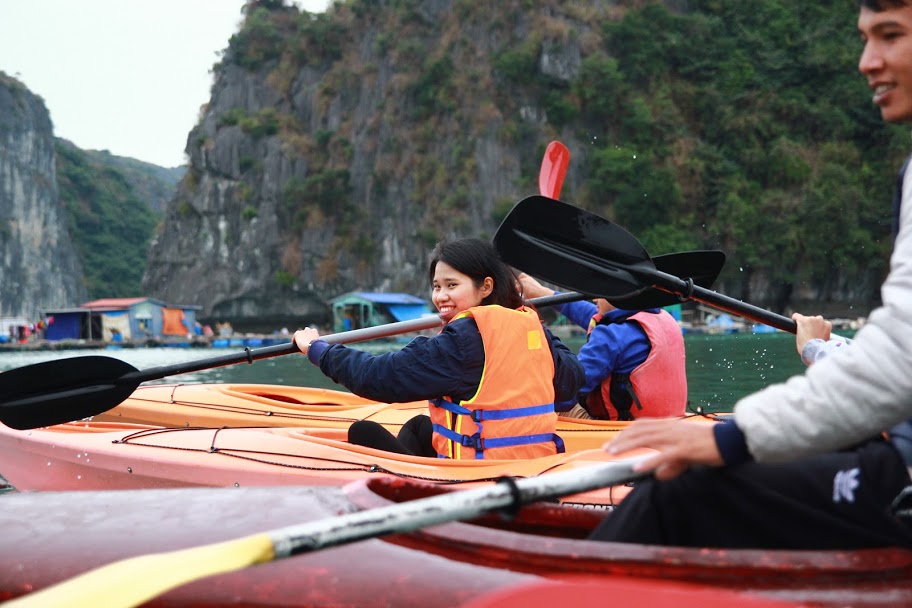
After exploring the forest, combine your trip with kayaking in Lan Ha Bay. The bay features hundreds of small islands and limestone formations rising from clear water, creating an unforgettable setting for paddling and sightseeing.
You may kayak between karst islands, visit floating fishing communities, explore quiet lagoons, or join a snorkeling and coral-viewing excursion. The water provides a completely different perspective from the forest trails.
Kayaking Through Mangrove Areas
Mangrove areas around Cat Ba can offer a peaceful kayaking experience. Paddle slowly through the channels, observe crabs and fish, and look for birds feeding near the water.
Follow your guide’s instructions, wear a life jacket, and protect your phone in a waterproof case. Kayaking i
s relaxing until you drop your only phone into the sea, at which point it becomes a very personal meditation exercise.
Snorkeling and Coral Viewing
Some Lan Ha Bay tours include snorkeling or opportunities to observe marine l
ife. Visibility depends on weather, tides, water conditions, and the season, so keep expectations flexible.
Do not touch coral or collect marine life. A shell may look like a cute souvenir, but the sea would prefer to keep its furniture.
Entrance Fees and Opening Hours
The supplied travel information lists different ticket details from different update peri
ods, so check the latest official notice before visiting. One current source lists opening hours from approximately 6:30 a.m. to 5:00 p.m. and indicative entrance prices of around 40,000 VND for Vietnamese visitors and 80,000 VND for international visitors.
Other published information lists different rates for adults and children, so prices may vary by visitor category, attraction, or update date. Bring identification such as a passport, citizen ID, or digital identity application if required for ticket registration.
Item | Planning information |
Opening hours | Approximately 6:30 a.m.–5:00 p.m.; confirm locally |
Entrance fee | Check the latest official notice before travel |
Trekking tours | Prices vary by route, duration, guide, and inclusions |
Identification | Carry passport, citizen ID |
How to Get to Cat Ba national park from Hanoi
From Hanoi, the easiest option is often a combined bus and ferry or bus and high-speed boat service. Some operators provide direct transfers from central Hanoi or the Old Quarter, making the journey simpler for first-time visitors.
The total journey can take approximately three to three and a half hours with an organized connection, although the exact time depends on traffic, ferry schedules, and seasonal demand.
Traveling via Hai Phong
From Hai Phong, travelers can use a high-speed boat or ferry connection toward Cat Ba. The crossing may take around one hour depending on the service and port.
Once you reach the island, continue by taxi, private vehicle, or motorbike to the park entrance. Check the final transfer in advance so your itinerary does not become an accidental island-wide treasure hunt.
Traveling via Tuan Chau and Ha Long
From Ha Long or Quang Ninh, you can use the Tuan Chau–Cat Ba ferry route. The ferry crossing takes around one hour, followed by a road journey to Cat Ba town or the national park area.
This option can work well if you are combining Cat Ba with Ha Long Bay. Confirm ferry schedules before departure because services may change according to weather and season.
Where to Stay Near Cat Ba national park
You can choose from hotels in Cat Ba town, beach resorts, eco-retreats, farmstays, and homestays near the park or Viet Hai Village. Your best option depends on whether you prefer convenience, comfort, nature, or local interaction.
Cat Ba town is practical for restaurants, transport, and evening activities. A countryside homestay is quieter and may put you closer to the park entrance. Viet Hai accommodation can offer a deeper rural experience if you want to sleep inside the island’s natural landscape.
Hotels and Resorts
Higher-comfort options include beachfront resorts and full-service hotels with pools, spas, sea views, and organized tours. These properties work well for families, couples, and travelers who want a comfortable base after a day of trekking.
Book early during weekends and public holidays. The island may be peaceful in the forest, but accommodation availability can become surprisingly competitive in town.
Homestays and Farmstays
Homestays such as countryside properties and Viet Hai village accommodation can offer a more personal experience. You may enjoy home-cooked meals, garden views, local stories, and a slower pace.
These stays are ideal for travelers who value atmosphere over luxury. You may not receive twelve types of pillows, but you may receive a much better sunrise and an excellent dinner.
What to Eat on Cat Ba Island
A visit to the island is not complete without fresh seafood. Local restaurants and homestays commonly serve fish, crab, shrimp, oysters, shellfish, and other coastal specialties.
Try grilled oysters with spring onion and oil, grilled grouper, salt-roasted mantis shrimp, and grilled tu hai, a local shellfish specialty. Seafood prices vary, so ask about portion size and price before ordering.
Seafood Dishes to Try
Tu hai grilled with scallion oil is rich and fragrant. Salt-roasted mantis shrimp offers crisp seasoning around sweet meat, while grilled grouper has a firm texture and smoky flavor.
Sam sea is another unusual local specialty, although it should be ordered only from a reputable restaurant familiar with safe preparation. When in doubt, ask your host or guide for a recommendation.
Eating Near the Park
Restaurants near the park may be more limited than those in Cat Ba town, so plan meals around your hiking schedule. A local homestay may be able to prepare food in advance, especially for full-day trekking routes.
Carry water and a few snacks on the trail. A banana has never judged anyone for stopping halfway up a mountain, and that makes it a very emotionally supportive travel companion.
Suggested One-Day Itinerary
Start early with a visit to the park entrance and a trek toward Ngu Lam Peak. Spend the morning walking through forest, enjoying the viewpoint, and exploring Trung Trang Cave if your route and ticket allow.
After lunch, continue toward Viet Hai Village or return to Cat Ba town depending on your energy and transport. In the late afternoon, join a short Lan Ha Bay excursion or rest by the beach before enjoying fresh seafood.
This itinerary works best when you choose either a short trek plus cave visit or a longer trek plus village experience. Trying to do everything in one day is a fast way to turn a holiday into a competitive walking event.
Suggested Two-Day Nature and Bay Itinerary
On day one, travel to the island, check in, and explore Trung Trang Cave, Kim Giao Forest, or Ngu Lam Peak. Enjoy dinner in Cat Ba town or at your homestay.
On day two, take a full-day trek toward Viet Hai Village or join a Lan Ha Bay tour with kayaking and snorkeling. If you choose the longer trek, allow enough time for the return journey and avoid planning a late-night transfer.
This two-day plan gives you a better balance between forest, village, and sea. It also gives your legs enough time to forgive you.
What to Pack for Cat Ba national park
Pack breathable clothing, sturdy trekking shoes, a hat, sunglasses, sunscreen, insect repellent, a reusable water bottle, basic medicine, and a compact rain jacket. A waterproof phone case or dry bag is essential if you plan to kayak or join a boat trip.
Bring a small backpack rather than a heavy suitcase for the trail. If you camp or stay overnight in a rural area, add a flashlight, extra layers, and personal toiletries.
Do not forget your identification documents and some cash. Remote areas may have limited card facilities, and your phone battery may not survive a full day of navigation, photography, and emergency snack research.
Safety Tips for Trekking and Water Activities
Walk with a guide or group on unfamiliar trails, especially for longer routes through forest and mountain terrain. Stay on marked paths and tell your accommodation provider or travel companion about your planned route.
Wear a life jacket when kayaking or traveling by boat. Do not swim in unfamiliar water, climb unstable cliffs, or enter restricted cave areas without permission. Weather can change quickly around the coast, so follow local instructions even when the sky looks perfectly innocent.
If you feel tired, stop and rest. There is no shame in taking a break; even the most impressive mountain has been standing still all day.
Responsible Travel and Conservation
The island’s ecosystems are sensitive, so every visitor has a role in protecting them. Follow the principle of leaving nothing behind except footprints and taking only photographs and memories.
Do not litter, pick plants, break branches, feed wildlife, touch animals, or remove shells and coral. Carry reusable items where possible and use refillable water bottles instead of buying multiple plastic bottles.
Respect local communities by asking before taking photographs, dressing appropriately in villages, and buying food or services from local businesses. Responsible travel helps preserve both the environment and the culture that make the island special.
Final Conclusion
Cat Ba national park is much more than a quick stop on an island itinerary. It is a place where tropical forest, limestone mountains, caves, mangroves, marine habitats, wildlife, villages, and sea views come together in one wonderfully varied adventure.
You can climb Ngu Lam Peak, wander through Kim Giao Forest, explore Trung Trang Cave, visit Viet Hai Village, kayak in Lan Ha Bay, observe wildlife, and finish the day with fresh seafood. Plan your route carefully, wear proper shoes, check the weather, respect local communities, and carry your rubbish home.
Most importantly, slow down enough to enjoy the island. The best memories may come from a quiet forest path, a conversation at a homestay, or a beautiful view that appears just when your legs begin to complain. That is Cat Ba national park at its best: wild, welcoming, and always ready to make you fall in love with the journey.
Ready for your Cat Ba National park tour?
Explore the wonders of Vietnam’s northwest and create memories that will stay with you forever with YESD Travel today!
Frequently Asked Questions
Is Cat Ba national park suitable for beginners?
Yes. Shorter routes such as Ngu Lam Peak and guided cave visits are suitable for many first-time visitors. Choose a longer trek only if you are comfortable walking for several hours over uneven terrain.
How long should I spend in the park?
You can see major highlights in half a day, but one full day is better for combining trekking, caves, viewpoints, or Viet Hai Village. Two days allow you to add Lan Ha Bay activities without rushing.
Can I visit without a guide?
Some short attractions are easy to visit independently, but a guide is helpful for longer routes, wildlife observation, cultural experiences, and navigation. A local guide can also explain what you are seeing instead of allowing you to confidently call every bird a small eagle.
Can I combine the park with Lan Ha Bay?
Yes. Combining forest trekking with kayaking or a boat tour is one of the best ways to experience the island. Plan the timing carefully and check weather conditions before booking water activities.
Is the Cat Ba langur easy to see?
No. The langur is extremely rare, and sightings are not guaranteed. Travel quietly, follow conservation rules, and appreciate the wider ecosystem rather than treating one animal sighting as the only successful outcome.
