Let’s be honest: Ban Gioc Waterfall, Nguom Ngao Cave, and Cao Bang’s spectacular mountain roads deserve plenty of attention. They are beautiful enough to make even the most emotionally stable traveler stare into the distance dramatically.
But the region has another superstar, and it comes with chopsticks. Cao Bang food is hearty, fragrant, proudly local, and often much more memorable than travelers expect. One minute you are admiring a limestone valley; the next, you are trying to fit smoked sausage into an already overstuffed suitcase.
This guide explores the traditional dishes, ingredients, and eating experiences that make Cao Bang cuisine so special. Bring curiosity, stretchy trousers, and a willingness to trust the cook. Your taste buds are about to receive a very scenic upgrade.
Book you Cao Bang Tour here!
Why Cao Bang Cuisine Deserves the Spotlight
Food Shaped by Mountains and Seasons
Cao Bang’s mountainous landscape influences nearly everything served at the table. Local cooks make wonderful use of fragrant rice, sticky rice, freshwater fish, bamboo shoots, wild herbs, pork, duck, beef, and preserved meats.
Rather than relying on elaborate decoration, local dishes focus on freshness, texture, smoke, spice, and deeply developed flavor. The result is food that feels practical, generous, and connected to the land, which is exactly why Cao Bang food appeals to travelers who prefer authentic meals over culinary theater.
A Meeting Point of Ethnic Culinary Traditions
Tay, Nung, Dao, and Hmong communities have each contributed techniques, ingredients, and family recipes to the area’s food culture. There is no single flavor that defines the entire province. Instead, there is a delicious collection of traditions shaped by generations of life in the northern mountains.
More Than a Meal
Eating in Cao Bang can feel like a small cultural exchange, and Cao Bang food often becomes the easiest way to start a conversation with a local host. A market stall, family kitchen, or homestay meal may reveal more about everyday life than a formal sightseeing stop. Expect warm hospitality, generous portions, and the occasional dish that arrives looking mysterious but tastes completely brilliant.
The Essential Cao Bang Food to Try
1. Pho Chua: The Sour Noodle Sensation
Pho chua, or sour noodles, is one of the province’s most distinctive specialties. Unlike the familiar steaming bowl of pho, this version is typically served cool and tossed with a tangy, savory sauce.
A generous bowl may include chewy rice noodles, roast duck, crispy pork belly, pork liver, fried pork stomach, peanuts, cucumber, herbs, greens, and crunchy pieces of khoai tau. It is less a simple noodle dish and more a carefully organized flavor festival.
What Makes Pho Chua So Memorable?
The sauce is the secret. Garlic and shallots are fried until fragrant, then combined with rich roast-duck drippings, seasoning, vinegar, and a little tapioca starch for body. Toss everything gently so the noodles absorb the sauce without turning into a culinary wrestling match.
The finished dish balances sweetness, sourness, savory meat, nutty crunch, herbal freshness, and a mild chili kick. Pho chua has also traditionally appeared at weddings and family celebrations, making it both comforting and festive.
2. Lap Suon: Cao Bang’s Famous Smoked Sausage
Lap suon is the edible celebrity of Cao Bang food, and it has earned its fame honestly. Good cuts of pork are minced and seasoned with local spices, mountain ginger, and fragrant mac mat leaves. The mixture is stuffed into casings, dried in the sun, and slowly smoked above a kitchen fire.
The result is firm, savory, gently sweet, and wonderfully smoky. It makes an excellent snack during a road trip and an even better edible souvenir. If your luggage suddenly smells like a very determined barbecue, lap suon is probably responsible.
Buying Smoked Sausage to Take Home
Look for reputable local markets or food shops, and ask the seller about storage and shelf life. Prices can vary according to quality, preparation, and season, so it is sensible to compare a few options before buying enough sausage to feed your entire extended family.
3. Cao Bang-Style Banh Cuon
Banh cuon is loved throughout Vietnam, but the local version has a comforting Cao Bang twist. Instead of being served mainly with a dipping sauce, delicate steamed rice rolls often arrive beside a bowl of rich, hot bone broth.
The soft rice sheets, savory broth, and fresh accompaniments create a meal that is simple but deeply satisfying. For a more adventurous local combination, try it with pickled bamboo shoots and mac mat fruit. It may sound unexpected, but so did pineapple on pizza until someone became brave.
4. Vit Quay Bay Vi: Seven-Spice Roast Duck
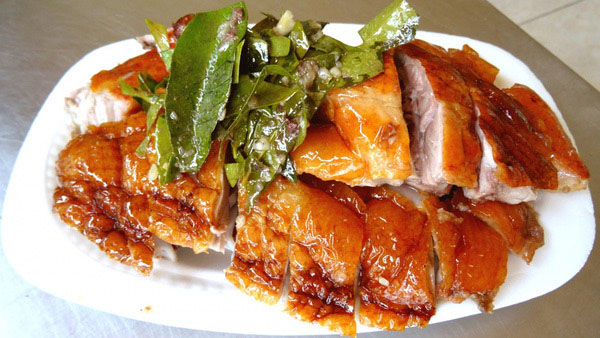
Seven-spice roast duck is a highlight of Cao Bang food and a dish many visitors remember long after returning home. The duck is marinated with a fragrant spice blend before being roasted until the skin is golden and crisp while the meat remains tender and naturally sweet.
Its appeal comes from balance: rich duck, aromatic spices, crisp skin, and a lingering fragrance that makes “just one more bite” an extremely unrealistic promise. Look for it at established local restaurants or ask your accommodation host for a trusted recommendation.
5. Ca Tram Huong: Agarwood-Scented Fish
Near Ban Gioc Waterfall and the rivers of Trung Khanh, ca tram huong is known for its distinctive flavor. The fish is associated with a diet of roots and leaves from agarwood trees growing along the waterways, giving the flesh a subtle and unusual fragrance.
The Best Way to Enjoy This Local Fish
Grilling is an ideal preparation. The fish may be cleaned, stuffed with scallion, dill, chili, and other seasonings, wrapped in banana leaf, and cooked over charcoal. The smoky exterior, delicate sweetness, and gentle herbal aroma pair beautifully with pure fish sauce.
6. Bo Gac Bep: Smoked Dried Beef
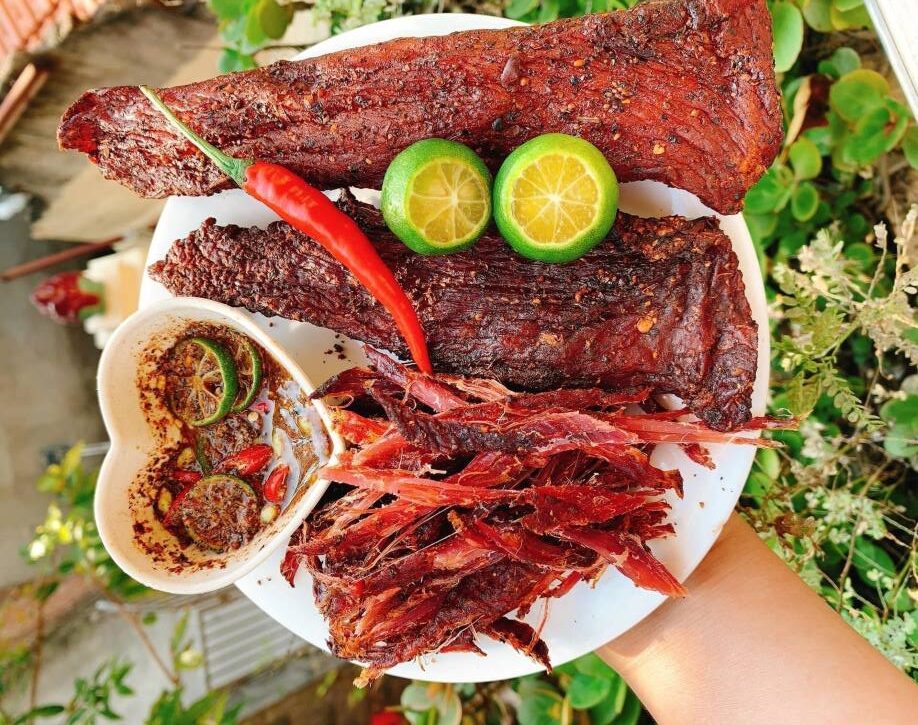
Bo gac bep is a traditional smoked beef specialty made by slowly drying seasoned meat above a kitchen fire. Lean cuts are rubbed with salt, ginger juice, and white rice wine before being placed on bamboo skewers to smoke and dry.
The finished beef is chewy, smoky, salty, and intensely savory. It is the kind of snack that inspires a completely sincere declaration of “this is my last piece,” followed by the immediate discovery of another piece.
How to Experience Local Food Like a Resident
Start at the Markets
Markets are among the best places to sample Cao Bang food because they bring together seasonal ingredients, breakfast dishes, snacks, and preserved specialties. Tiny stalls may not have polished menus, but the busiest ones often provide an excellent clue: local people are already doing the reviewing for you.
Ask What Is Fresh Today
Seasonality matters in the mountains. Ask vendors, guides, or homestay hosts what is freshest that day. Their suggestions may lead you to a dish you would never have found by searching for the most famous menu items.
Try the Unfamiliar Pairings
Pickled bamboo shoots, mac mat fruit, fragrant herbs, and smoky meats may create combinations that are new to your palate. Approach them with curiosity rather than suspicion. The strange-looking side dish may become the thing you spend six months trying to describe to your friends.
Pack Patience With Your Appetite
Some dishes are prepared slowly, especially smoked and grilled specialties. Relax, enjoy the setting, and remember that food cooked with care is rarely interested in rushing. The mountains did not form overnight, and your dinner probably will not either.
A Simple Cao Bang Food Itinerary
Morning: Banh Cuon and Local Coffee
Begin with soft rice rolls and hot broth, then follow them with Vietnamese coffee if you need enough energy to negotiate the day’s winding roads.
Afternoon: Market Snacks and Sour Noodles
Explore a local market, sample small bites, and save room for pho chua. The noodles are substantial, so consider this your official permission to call lunch a cultural activity.
Evening: Roast Duck or Grilled Fish
Finish with seven-spice roast duck or grilled river fish, ideally shared with friends. Sharing is traditional, practical, and useful when your eyes are larger than your stomach.
Book you Cao Bang Tour here!
What to Bring Home
Edible Souvenirs With Real Personality
Smoked sausage and dried beef are popular choices because they travel better than a bowl of noodles and create fewer problems at airport security. Ask about packaging, storage, and how soon the products should be eaten.
Memories That Do Not Fit in a Suitcase
The most valuable souvenir from Cao Bang food may be the memory of eating with a host family, discovering a market stall, or tasting an ingredient you had never encountered before. Fortunately, memories are lightweight and do not need to be declared at customs.
Final Thoughts: Come for the Scenery, Stay for the Table
The waterfalls, caves, rivers, and mountain passes may bring you to Cao Bang, but the food gives the journey its lasting flavor. From tangy pho chua and fragrant roast duck to smoked sausage, grilled fish, and dried beef, Cao Bang food tells a story of landscape, community, tradition, and generous hospitality. So arrive hungry, ask questions, try something unfamiliar, and leave room for one more snack. You may come for the views, but you will probably leave slightly obsessed with dinner.
Cao Bang is a destination where dramatic scenery and honest cooking belong in the same travel itinerary. The region’s best dishes are not merely things to photograph; they are invitations to understand local life through ingredients, cooking methods, and shared meals. If you want a trip that stays with you long after the road home, make the local table part of the adventure. Your camera will remember the waterfalls, but your appetite will remember everything else.
Book you Cao Bang Tour here!
